2024 Fall Clinical Dermatology Conference Highlights
Our Annual Fall Clinical Dermatology Conference is framed to improve our attendees' value and clinical skills through a uniquely designed educational experience. Check back here as we highlight key sessions and posters during the conference!
Looking to register for Fall Clinical 2025? Click HERE
Thursday, October 24, 2024
Check Out Highlights From FC24 Below
A Roadmap for Clear Skin: Pathways to Put Acne in the Rearview Mirror
In this session, James Del Rosso, DO, and Karan Lal, DO, provided insights into management of patients with acne.
The presentation started with emphasis on patient-centered and collaborative care that sets the stage for successful acne treatment, emphasizing patient education, collaborative review of treatment options, joint-decision making, and compliance and follow-up. The presentation highlighted the need for combination therapy to address the 4 major factors involved in acne pathogenesis (ie, excess sebum production, follicular hyperkeratinization, cutibacterium acnes colonization and proliferation, and inflammation). Clascoterone is a competitive antagonist to the DHT-receptor that can reduce the effect of downstream androgen effects in skin for both genders above 12 years old. It has been shown to be effective and tolerable when used as a monotherapy but is recommended as an additional treatment in a combination regimen.
Beyond the tried-and-true monotherapies that can be combined in a multistep regimen, there are double- and triple-combination topical acne products that include benzoyl peroxide (BPO), retinoids, and antibiotics to reduce treatment regimen steps. Clindamycin 1.2% + BPO + adapalene 0.15% gel has been shown to be effective in moderate-to-severe inflammatory and noninflammatory acne.
They discuss further the various nuances in the art of acne treatment. When comparing topical antibiotic treatments, clindamycin showed longer-term efficacy and anti-inflammatory properties than erythromycin. Just as the type of antibiotic chosen can make a difference, delivery can also change efficacy. It was emphasized that the formulation of products and vehicles matter—polymeric emulsion formulation has been shown to better stabilize and deliver active ingredients while increasing tolerability.
Rosso and Lal conclude with an interactive discussion and case presentations that present a stepwise approach to patients with acne. Cases start with the patient-centered approach mentioned above and critical thinking about compliance, motivation, tolerability, and severity of lesions. They then recommend selecting from a wide range of topical regimens first while keeping those patient-specific factors and goals in mind.
Real World Approaches to Actinic Keratosis
In this session, Brian Berman, MD, PhD, and Darrell Rigel, MD, MS, provided an overview of available therapies for actinic keratoses (AKs), emphasizing combination therapies and delivering individualized patient care. Patients with AK have a 1.9 times higher risk of developing cutaneous squamous cell carcinoma (cSCC) each year and an 11.4% greater cumulative incidence compared to those without AKs, highlighting the importance of having an array of treatments to reduce cSCC risk. There are treatment options available, which are discussed in the lecture, including cryotherapy, tirbanibulin, 5-fluorouracil (5-FU), imiquimod, diclofenac, and photodynamic therapy (PDT).
The American Academy of Dermatology guideline efficacy reports of tirbanibulin, imiquimod, 5-FU, and diclofenac indicated that imiquimod and 5-FU had the highest efficacy rates with 80% partial and 52% to 54% complete clearance rates. Tirbanibulin, which was a close third, was recently FDA approved for field treatment of 100 cm2 with similar efficacy and safety compared to its previous FDA approval for 25 cm2 treatment areas.
The presenters explored optimal treatment regimens for AK treatment with PDT. Combining aminolevulinic acid (ALA) with PDT significantly enhances PDT efficacy compared to PDT monotherapy, however treatment is known to be painful. The presentation highlighted alternative methods to improve patient comfort during PDT by using "short contact ALA." This modified regimen, where ALA is applied followed by immediate blue light PDT, was found to be equally effective and significantly less painful.
Given the risk of AK progression to cSCC, the presenters underscored the need for patient-tailored therapy and integration of both lesion-targeted and field-directed treatments. When used first, lesion-directed therapy first reduces AK burden prior to field therapy, but topical field therapy may identify subclinical lesions prior to more targeted therapy. Dermatologists should consider the benefits and drawbacks of the order in which lesion and field-directed treatments are applied.
Managing Atopic Dermatitis: 2024 & Beyond
Dr Alexandra Golant provided an overview of the evolving landscape of atopic dermatitis (AD) treatment, focusing on new insights into AD pathogenesis and therapeutic advancements that are reshaping AD management. AD is recognized as a highly heterogeneous disease with phenotypes that can be correlated with the presence of specific helper T-cells (eg, Th1, Th2, Th17, Th22) and associated cytokines.
Golant highlighted the critical question of when clinicians should consider the use of systemic agents in managing AD. Systemic treatments have been deemed appropriate for patients with moderate-to-severe disease. Most importantly, it is essential to understand the definition of “moderate-to-severe” disease as well as other factors that could qualify patients for systemic therapy. Patients who may be candidates for systemic therapies have the following characteristics: at least 10% body surface area (BSA) involvement, inadequate disease control after topicals, or a significant impact on quality of life (QoL)—affecting social, emotional, and school or professional functioning. Other indications include individual lesions with moderate-to-severe features or involvement of highly visible or functionally important areas (eg, the face, hands, or genitals).
AD management has had significant strides, evolving from limited options to a range of targeted therapies, thanks to advances in drug development and a deeper understanding of AD cytokine pathways.
Several new topical therapies for AD have emerged, including ruxolitinib, roflumilast, tapinarof, and delgocitinib. Systemic treatments targeting cytokines and JAK enzymes involved in AD pathogenesis include dupilumab, lebrikizumab, tralokinumab, nemolizumab, tofacitinib, ruxolitinib, baricitinib, delgocitinib, abrocitinib, and upadacitinib.
The efficacy and side effect profile of newer treatments have led to recent updates to the American Academy of Dermatology (AAD) guidelines, which now recommend the newer systemic treatments for moderate-to-severe AD, while cautioning against the use of systemic corticosteroids due to serious side effects. Both the AAD and American Academy of Allergy, Asthma & Immunology (AAAAI) guidelines strongly recommend dupilumab and tralokinumab for managing moderate-to-severe AD in adults, with a high level of evidence.
Despite the growing number of available therapies, new drugs in development still aim to more precisely target AD-associated molecules. Future treatments will focus on targeting immune pathways such as IL-22, OX40, and IL-18, with ongoing trials showing promising results.
Managing Facial Hyperpigmentation in All Skin Types and Colors
Andrew Alexis, MD, MPH, provides an overview of hyperpigmentation and available treatments for patients. Melasma is subcategorized into centrofacial, malar, and mandibular based on primary facial location as well as into dermal, epidermal, or mixed presentations based on depth of hyperpigmentation. Other types of hyperpigmentation are frequently mistaken for melasma, particularly in individuals with skin of color, as it may also be indicative of conditions such as lichen planus pigmentosus or drug-associated photodistributed hyperpigmentation.
The presentation emphasized prevention of hyperpigmentation through reducing visible light exposure and early treatment of acne in skin of color. A study presented showed that darker skin exposed to visible light was more hyperpigemented compared to UVA exposure. Therefore, prevention of visible light penetration using iron oxide rather than titanium or zinc oxide becomes increasingly important with increasing darkness of skin.
There are several treatments that affect various steps in the pigment production pathway, including retinoids, glucosamine, azelaic acid, ellagic acid, and nicotinamide. Despite the numerous available treatments, there are several challenges to treating hyperpigmentation, including limitations and side effects from known treatments. Hydroquinone, often a first-line treatment for hyperpigmentation, can have adverse effects such as halo hypopigmentation and ochronosis. There are several treatments that are currently being explored as alternatives to hydroquinone, which include topical cysteamine, 2-mercaptonicotinoyl, oral tranexamic acid, chemical peels, lasers, and microneedling.
Dr Alexis concludes by recommending a treatment progression that begins with hydroquinone 4% triple combination therapy, followed by the addition of procedural treatments and oral agents with a transition to or incorporation of nonhydroquinone therapies. Visible light photoprotection should be incorporated into all regimens as preventive protection.
Making the Connection Between Prurigo Nodularis, Atopic Dermatitis, and Itch
Dr Tejesh Patel presented on the pathogenesis of itch in prurigo nodularis (PN) and atopic dermatitis (AD), emphasizing the underlying mechanisms that contribute to these conditions. He explored targeted treatment options, highlighting their efficacy and safety profiles in alleviating itch. Additionally, Dr Patel discussed the importance of personalizing treatment approaches through case studies, underscoring the need for tailored strategies to meet individual patient needs.
Characterizing Loss of Response Occurring in a Small Number of Patients During 3 Years of Long-Term Maintenance Therapy with Baricitinib 4-mg: Results from the BRAVE–AA1 and -AA2 Trials
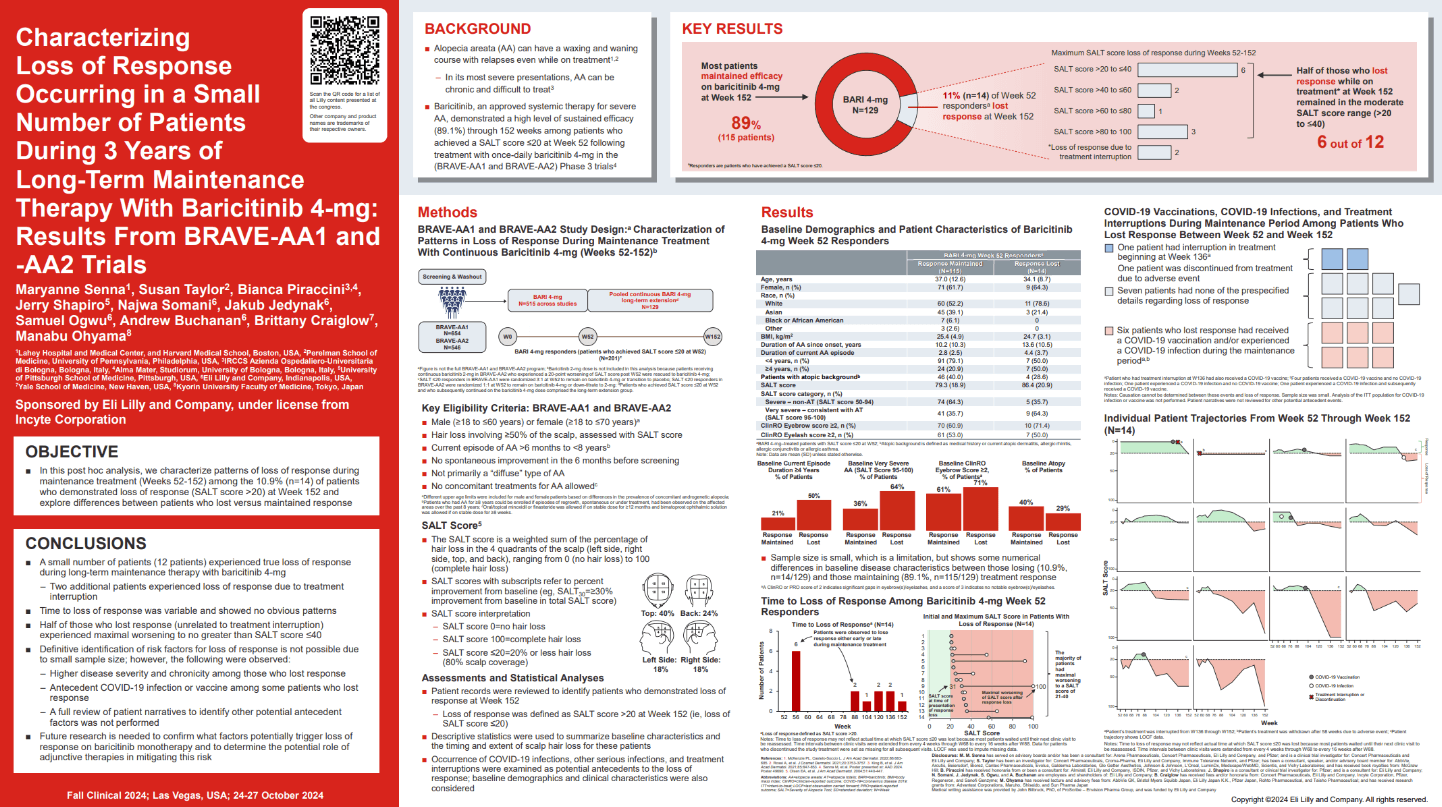
Authors: Maryanne Senna, Susan Taylor, Bianca Piraccini, Jerry Shapiro, Najwa Somani, Jakub Jedynak, Samuel Ogwu, Andrew Buchanan, Brittany Craiglow, Manabu Ohyama
Baricitinib is a systemic therapy FDA approved for severe alopecia areata. Phase 3 clinical trials, BRAVE-AA1 and BRAVE-AA2, showed in the long-term extension study that between weeks 52 and 152, 11% of patients experienced loss of response (defined as a SALT score of 20 or greater). This poster presents data regarding the characteristic patterns of loss of response during the maintenance treatment phase. Approximately 40% of the nonresponders lost response to baricitinib at week 56. Most patients had a maximal SALT score ranging from 21 to 40. Of the 14 patients studied, 2 had either stopped treatment or had treatment interruption, 6 received a COVID-19 vaccination, and 7 had neither of these factors. Higher disease severity was also shown to be related to loss of response. The results of this study were limited by small sample size, as there were only 14 patients that met criteria.
Lebrikizumab confirms a consistent safety profile in adults and adolescents with moderate-to-severe atopic dermatitis: Data from 11 trials with over 3000 patient years of experience
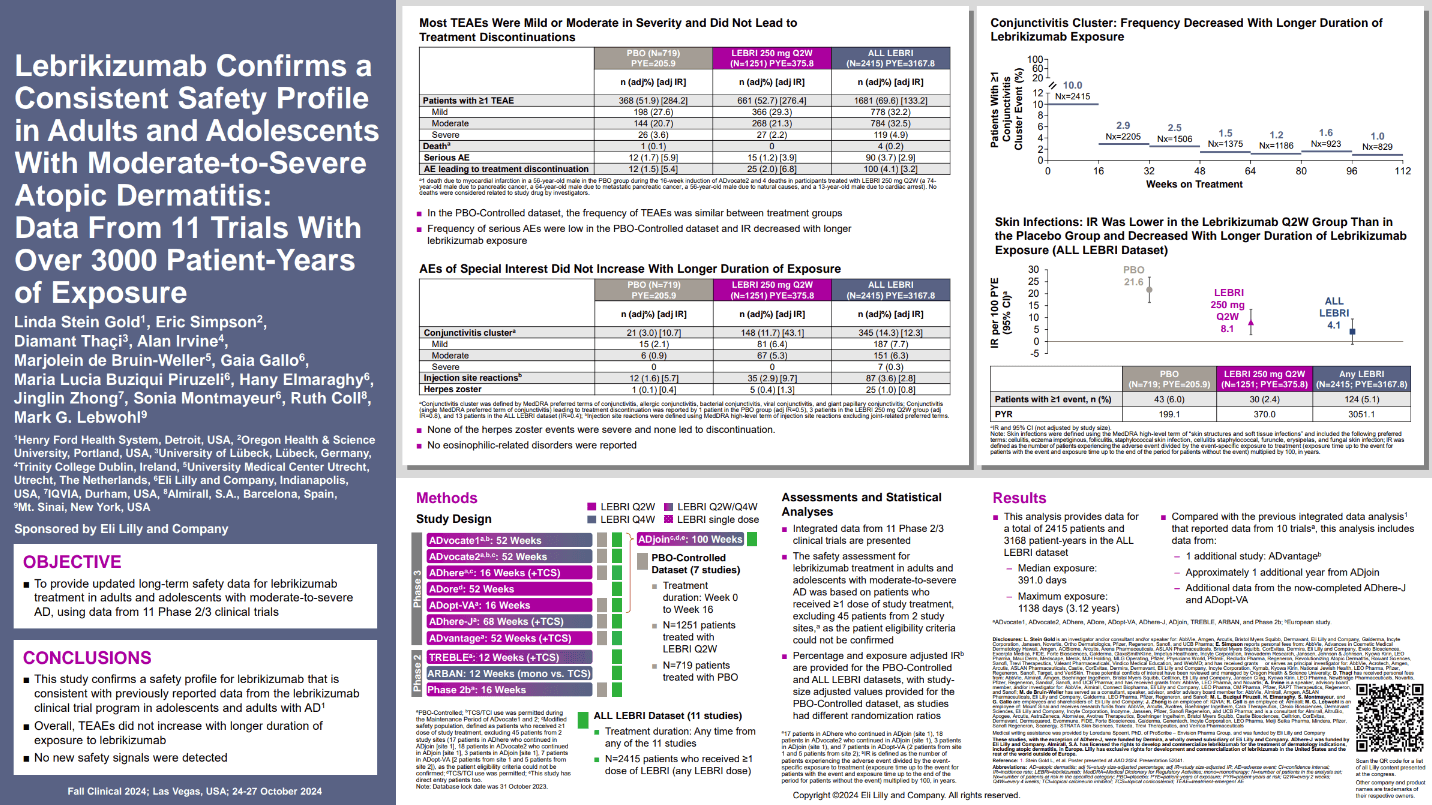
Author: Linda Stein Gold et al.
This poster presented the most updated long-term safety data for lebrikizumab as a treatment for atopic dermatitis. The dataset included data from 11 phase 2 and 3 clinical trials and over 2400 patients who received at least one dose of lebrikizumab. Results showed that most treatment-emergent adverse events were mild to moderate in severity and did not lead to treatment discontinuations. Incidence of conjunctivitis, injection site reactions, and herpes zoster and other skin infections did not increase with longer duration of exposure. Overall, the data confirmed lebrikizumab’s safety profile is consistent with previously reported data.
Friday, October 25, 2024
What Did 2024 Bring to The Table in Dermatology? - Part 1
In this comprehensive 5-part lecture, Linda F. Stein Gold, MD, April W. Armstrong, MD, MPH, Boni E. Elewski, MD, Dirk M. Elston, MD, and Theodore Rosen, MD, provided updates on important developments in dermatology, focusing on a range of topics from acne treatment controversies to the latest in systemic therapies for chronic skin conditions.
Linda F. Stein Gold, MD, began the session by addressing the controversy surrounding benzoyl peroxide (BPO) use in acne treatment. BPO can break down into benzene, with higher breakdown rates correlated to more benzene production. Benzene is a known carcinogen and is associated with an increased risk of leukemia, particularly acute myeloid leukemia (AML). Independent laboratory tests revealed that BPO-containing products stored at room temperature or higher could have 800 to 1200 times the FDA- and EPA-approved benzene limit for long-term exposure. Thus, there was a concern that BPO-containing products could be dangerous to the public. However, a study conducted on 2.3 million patients with acne showed that there was no increased risk of AML associated with BPO use. A retrospective cohort study from the TriNetX US Collaborative Network also confirmed no link between BPO and increased cancer risk. Dr Stein Gold concluded by recommending that BPO products be stored in refrigerators and replaced every 3 to 6 months to minimize benzene formation, particularly avoiding exposure to high temperatures.
Next, April W. Armstrong, MD, MPH, provided an overview of newly FDA-approved treatments for psoriasis, atopic dermatitis (AD), and prurigo nodularis. She discussed bimekizumab, a monoclonal antibody targeting IL-17A and F, which showed promising results with 54.5% of patients with psoriatic arthritis achieving ACR50 and 65% of patients with psoriasis reaching PASI100 after one year. In the realm of AD treatment, she presented data on lebrikizumab, an IL-13 inhibitor, which demonstrated long-lasting efficacy in the ADvocate 1 and 2 trials, with patients maintaining significant skin clearance and itch relief for 52 weeks. The ADore trial confirmed its safety, with mild- to-moderate adverse events and low rates of conjunctivitis (8%), comparable to dupilumab. Lastly, Dr Armstrong covered the approval of nemolizumab for prurigo nodularis with 37.6% of patients reporting significant reductions in itch and severity.
Boni Elewski, MD, turned the discussion toward fungal infections, specifically focusing on the emergence of drug-resistant strains such as T. indotineae, T. rubrum, and T. mentagrophytes genotype VII. These infections pose significant treatment challenges. Itraconazole was suggested as the preferred choice for the treatment of resistant fungal infections. Dr Elewski also addressed the management of generalized pustular psoriasis (GPP), noting that high loading doses of biologics—600 mg followed by 300 mg every 4 weeks—were effective in reducing the risk of flares.
Dirk M. Elston, MD, followed with a detailed review of psoriasis treatments, emphasizing the variety of options available and selection of treatment plans that best fit individual patient needs. He highlighted the effectiveness of proactive use of combination therapies like calcipotriene and betamethasone over reactive management. Dr Elston elaborated on the pros and cons of various psoriasis medications, highlighting the complex decision-making required for psoriasis treatment. In addition, the presentation provided practical guidance on selecting biologics based on patient comorbidities such as obesity, demyelinating diseases, and pregnancy.
Theodore Rosen, MD, concluded the session by discussing JAK inhibitors and their potential uses beyond their current FDA approvals. Through case presentations, he demonstrated the effectiveness of various JAK inhibitors—such as tofacitinib, baricitinib, abrocitinib, upadacitinib, and ruxolitinib—in treating conditions like granuloma annulare, sarcoidosis, and lichen planus. Tofacitinib was shown to not only resolve cutaneous symptoms but also address systemic effects of these disorders, making it a valuable tool in treating complex dermatologic conditions.
Evolving Therapies in the Treatment of Chronic Spontaneous Urticaria
Brad P. Glick, DO, MPH, David Lang, MD, and Dawn L. Merritt, DO, provided insights into chronic spontaneous urticaria (CSU). The conversation alternated between dermatology and allergist perspectives to provide a well-rounded idea of evolving therapies and integrating new treatments into clinical practice. CSU is a clinical diagnosis that may not present visibly but rather as a series of quality of life (QoL) changes. Because of the QoL changes, the team suggests having patients fill out a QoL-focused questionnaire through the CRUSE CONTROL application to measure treatment efficacy though symptom tracking.
The presentation highlighted the existence of severe subtypes of CSU that require tailored treatment strategies, as antihistamines alone are generally insufficient for effective management. While a stepwise treatment plan for CSU is outlined, it currently overlooks the latest therapeutic options. Despite being part of the current recommendations, omalizumab remains underutilized in dermatology. Omalizumab has been shown to be effective in treating urticaria, especially in patients with elevated IgE levels. However, dermatologists are very familiar with dupilumab, which has also been shown to be an effective treatment for CSU. In addition, the team introduces a promising new agent under investigation for CSU treatment, remibrutinib, a novel BTK inhibitor, which has shown effectiveness in CSU and provides an alternative pathway to treat the condition.
What’s New in the Medicine Chest - Part 2
This presentation by James Q. Del Rosso, DO, focused on recent findings in dermatologic therapies. Starting with dupilumab, a study reported that dupilumab can be an effective treatment for AD when readministered after discontinuation. For patients who do not respond well to initial biologic treatments, small molecule alternatives like tralokinumab, upadacitinib, and abrocitinib have shown promise in achieving better skin clearance and itch relief. The LEVEL UP open-label comparison trial showed that upadacitinib may be even more effective for treating AD. Dr Del Rosso also highlighted new research on the pathogenesis of AD and thus the development of targeted therapies. TheOX40-OX40L-activated pathway has been shown to potentially play a role in AD, and there are several therapies currently in clinical trials that inhibit OX40-OX40L binding.
He further discussed emerging information on various treatments for psoriasis, hidradenitis suppurativa (HS), and chronic spontaneous urticaria (CSU) treatments, which all aim to target specific factors in the evolving pathogenesis of these conditions.
Lastly, the discussion touched on real-world challenges of recommending supplements with polypodium leucotomos (PL) or PL extract (PLE). PLE can have beneficial protective skin effects; however, it is noted that using the methods of extraction, production techniques, and extract use change the efficacy of the products.
Photoprotection: Where Are We Now?
Tasneem F. Mohammad, MD, delved into the current state of photoprotection, highlighting key advances and challenges in protecting the skin from harmful radiation. The presentation outlines various methods of photoprotection, including sun avoidance, sun-protective clothing, and the use of sunscreen. Tinted sunscreen is touted as the sunscreen that meets the criteria of broad-spectrum UVA and UVB coverage as well as visible light (VL) coverage. However, there are challenges to use like staining and color matching. The presentation also introduced the development of newer sunscreen filters, such as bemotrizinol, Mexoryl 400, and TriAsorB, which offer enhanced protection against UVA, UVB, and VL.
The role of secondary photoprotective agents is also explored in the lecture. Antioxidants in sunscreens are discussed. Sunscreen with antioxidants has been shown to be similarly effective to tinted sunscreen. Oral photoprotection agents, such as nicotinamide and polypodium leucotomos extract, are mentioned as potential adjuvants for reducing UV-induced damage. The presentation concludes with a discussion on personalized photoprotection, tailored to an individual's skin type, condition, and specific needs, emphasizing the importance of using the right product for optimal skin health.
Treatments used among patients with psoriasis: a first look at a new patient-centered registry
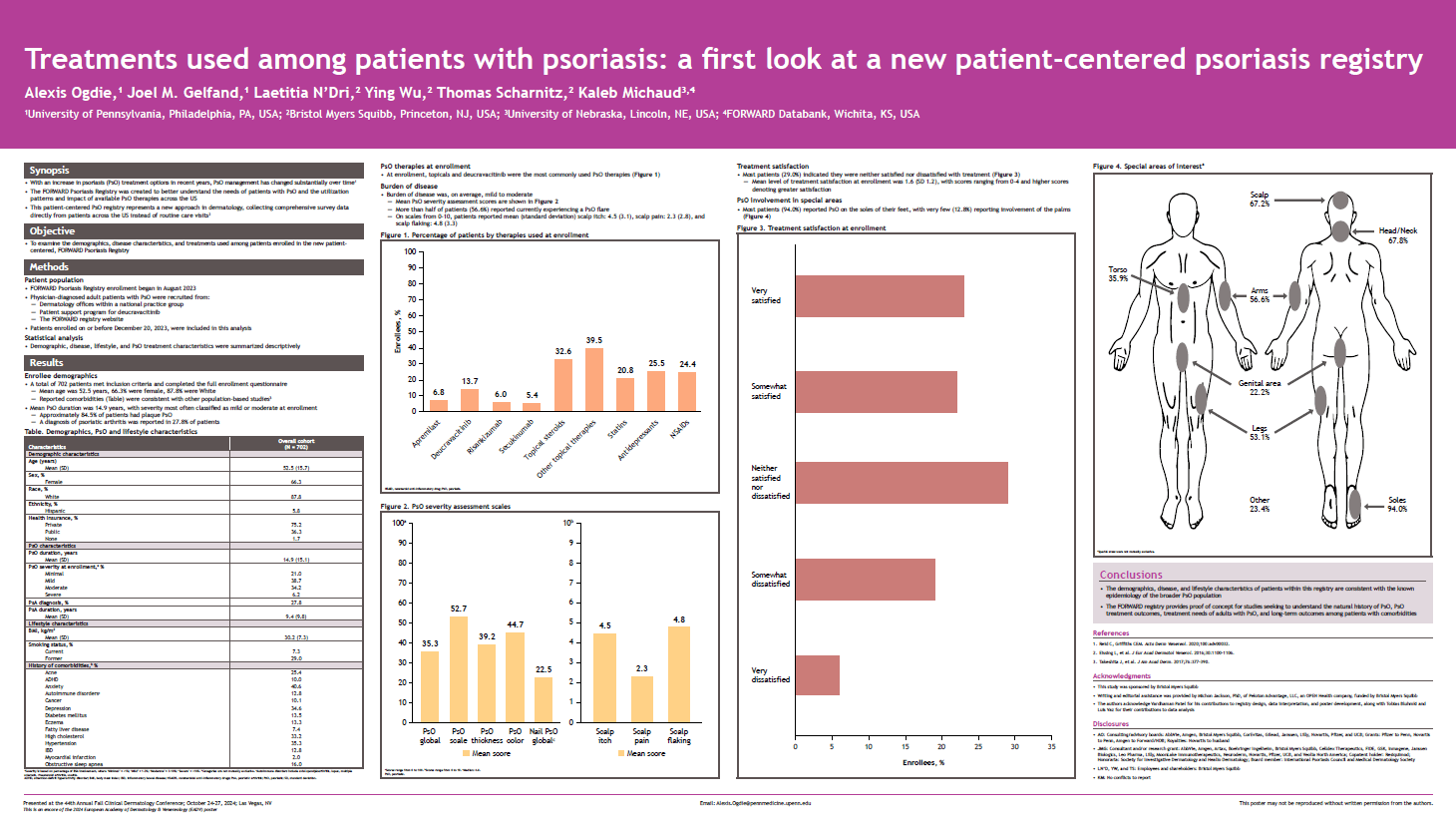
Authors: Alexis Ogdle et al.
The FORWARD Psoriasis Registry was developed to collect and analyze the demographics, disease characteristics, and treatments among patients with psoriasis (PsO). The aim was to develop a database that allows providers to understand the natural history of patients with PsO, treatment outcomes, treatment needs, and long-term outcomes. The database was able to summarize and quantify PsO patient demographics, current treatments, severity scales, treatment satisfaction, and disease location. So far there are over 700 patients recorded in the database.
Drivers of Health in Adults with Alopecia Areata, Atopic Dermatitis, Hidradenitis Suppurativa, and Psoriasis
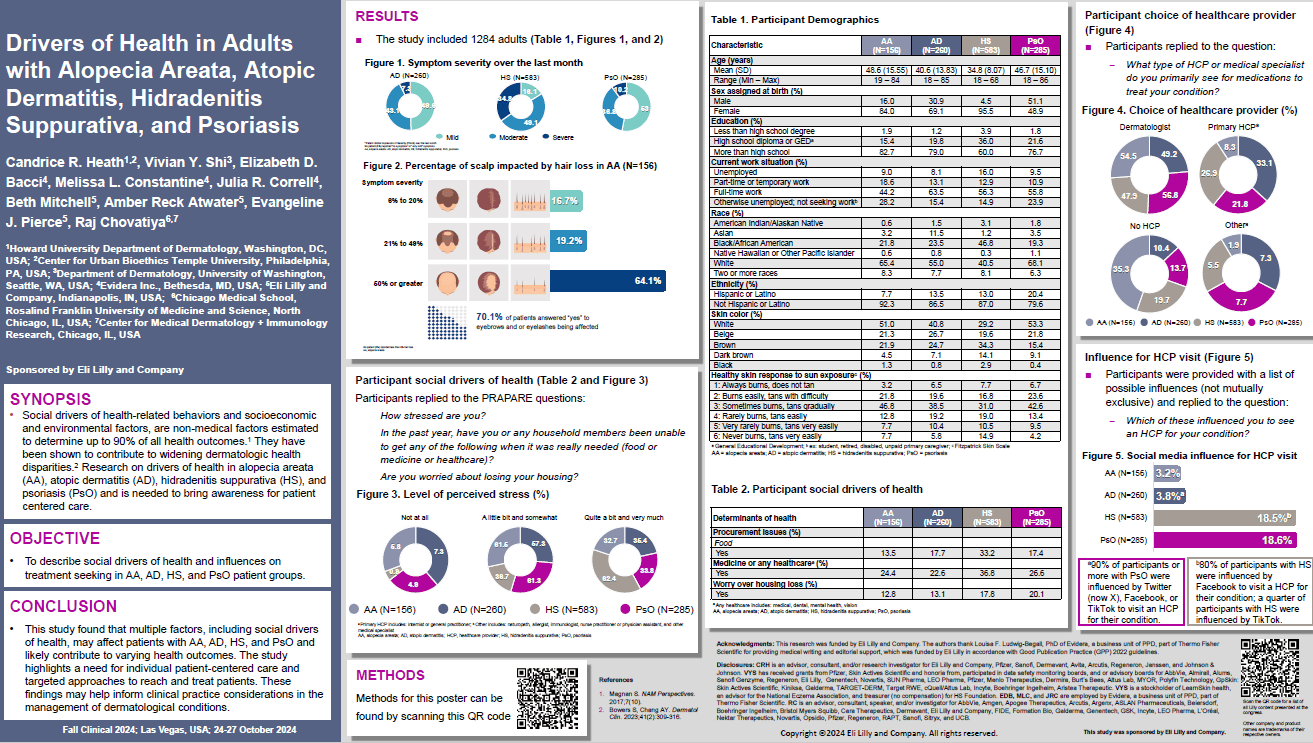
Authors: Candrice R. Heath et al.
Social determinants of health, including socioeconomic and environmental factors, play a critical role in influencing health outcomes. In dermatology, understanding these determinants is particularly important for conditions like alopecia areata (AA), atopic dermatitis (AD), hidradenitis suppurativa (HS), and psoriasis (PsO). This poster presents data on social drivers of health and their influence on treatment-seeking behavior in these conditions. The data examined patient demographics, social drivers of health (such as food, medication access, housing, and stress), and interactions with health care providers, revealing that a range of factors can impact treatment-seeking behavior of patients with AA, AD, HS, and PsO. The study underscores the importance of patient-centered care that addresses both medical and nonmedical factors to improve health outcomes.
Saturday, October 26, 2024
What Did 2024 Bring To The Table In Dermatology? - Part 2
This 4-part lecture series built on “What Did 2024 Bring to the Table in Dermatology – Part 1” and provided even more updates on dermatology advancements. Dr Lisa Swanson started the series with updates on several treatments for pediatric patients for seborrheic dermatitis, atopic dermatitis (AD), and psoriasis. Roflumilast was recently FDA approved for patients 9 years and above for the treatment of seborrheic dermatitis. In regards to dupilumab for AD treatment, studies have shown that it decreases the risk of atopic march for patients with AD and reduces risk of asthma development. Other studies have concluded that patients taking dupilumab can have vaccines (including live) while receiving treatment. Beyond dupilumab, there are more AD treatments on the horizon for pediatric patients. Lebrikizumab has been approved for patients with AD ages 12 and older, and trials for JAK inhibitors are beginning. Strides have also been made in the realm of pediatric psoriasis—apremilast (now in trials) and spesolimab (now FDA approved) are the latest medications for psoriasis and generalized pustular psoriasis. Overall, Dr Swanson provides inspirational patient stories that motivate providers to continue fighting for patients’ well-being.
Next up, Dr David E. Cohen presented the updated Guidelines of Care by the American Academy of Dermatology for AD, which now include recommendations for new topical and systemic biologic therapies. For systemic therapy, several biologics and JAK inhibitors have a ‘strong’ strength of evidence rating for moderate-to-severe AD. When comparing the recommended systemic therapies for moderate-to-severe AD, upadacitinib had the best efficacy in achieving EASI-75 and -90. Of note, systemic corticosteroids were conditionally recommended against for use in AD. Dr Cohen noted that JAK inhibitors have some potential safety concerns, including serious side effects of cardiovascular disorders, blood clots, and cancer; therefore, JAK inhibitors should be started at the lowest dose and considered when other treatments have failed.
Dr Laura K. Ferris presented the latest developments in melanoma and skin cancer treatment. Ferris discussed individualized neoantigen therapy with mRNA-4157 + pembrolizumab for melanoma, neoadjuvant therapy with ipilimumab and nivolumab (IPI + NIVO) for Stage III melanoma, and vismodegib and radiation for basal cell carcinoma. She also explored the role of advances in technology for melanoma diagnosis with 31-gene expression profiles (GEPs), 23-GEP, and electrical impedance spectroscopy (EIS) as the technologies with the highest strength of recommendation.
Dr Emmy Graber rounded out the series by discussing advancements in acne and rosacea treatments. She discussed the FDA approval of a new triple combination topical gel for moderate-to-severe acne (clindamycin/adapalene/benzoyl peroxide). Comparison studies demonstrated higher efficacy of the triple therapy as compared to two-product combined therapies. Graber also presented the promising results of DFD-29, a modified-release minocycline capsule for rosacea, which outperformed doxycycline in clinical trials.
Topical Therapy Forum
The "Topical Therapy Forum" lecture series presented an in-depth look at advancements in topical treatments across several dermatologic conditions, with each expert delving into the latest innovations and their clinical applications.
Dr James Q. Del Rosso started this series by focusing on treatments for seborrheic dermatitis (SD). SD is an inflammatory skin disorder that has a multifactorial pathogenesis caused by skin barrier dysfunction, Malassezia infection, host immunity dysregulation, sebaceous gland activity and skin microbiome changes. SD is highlighted as a distinct condition, rather than a continuation of atopic dermatitis or psoriasis, because of its unique clinical markers and distinct skin barrier disruption. Continued studies show evidence of skin barrier dysfunction due to ceramide composition and microbiome and microbial shifts and indicate a need to proactively prevent and protect the skin barrier as a means of treating SD. Treatment for seborrheic dermatitis includes corticosteroids, antifungal agents, calcineurin inhibitors, zinc and selenium-based shampoos. There are also emerging treatments for SD such as roflumilast (FDA approved in 2023 in foam form) and crisaborole (off-label). Roflumilast in both the foam and cream vehicles offers a promising nonsteroidal alternative for moderate-to-severe cases, demonstrating efficacy in reducing symptoms like redness, scaling, and itch, with a favorable safety profile.
Next, Dr Linda Stein Gold delivered a detailed presentation on the latest topical treatments for psoriasis, focusing on 2 major breakthroughs: tapinarof and roflumilast. Tapinarof, a topical aryl hydrocarbon receptor modulating agent (TAMA), has shown significant efficacy in treating plaque psoriasis and intertriginous plaque psoriasis. Fifty-eight percent of patients achieved clear or almost clear skin within 4 months and a lasting effect of 115 days after treatment discontinuation. Dr Stein Gold also discussed roflumilast cream, a PDE4 inhibitor, for plaque psoriasis. Roflumilast has demonstrated strong results in reducing itch and improving skin clearance, particularly in areas like the scalp and intertriginous zones.
Dr Lisa Swanson continued the discussion by covering new developments in the treatment of atopic dermatitis (AD). Swanson emphasizes the need for more treatments beyond the common combinations of topical corticosteroids and calcineurin inhibitors. She introduced the Aron regimen, a compounded mixture of betamethasone, mupirocin, and moisturizer, which has shown great success in treating persistent eczema in young children. She also discussed newly approved nonsteroidal topical therapies, including ruxolitinib cream, a topical JAK inhibitor, roflumilast 0.15% cream, a PDE-4 inhibitor, and tapinarof cream, an aryl hydrocarbon receptor modulator. Ruxolitinib is approved for patients aged 12 and older and has demonstrated rapid and sustained efficacy in reducing AD symptoms, particularly itch and inflammation, without stinging/burning or the side effects associated with steroids. Phase 3 studies are exploring the potential for ruxolitinib use down to the age of two. . Roflumilast 0.15% cream, approved for patients aged 6 and up, has also shown significant promise in treating mild-to- moderate AD, offering long-lasting effects (average: 281 days without treatment) with minimal irritation. Tapinarof, which has been previously approved for psoriasis, is now being studied for patients ages 2 and above for moderate-to-severe AD, and trials have shown significant efficacy over vehicle.
The Comorbidities of Psoriasis: What Clinicians Need to Know to Optimize Care
The presentation on the comorbidities of psoriasis, led by Drs Bruce E. Strober, Joel M. Gelfand, and Karan Lal, highlighted the significant health risks associated with psoriasis. The presenters emphasized the strong connection between psoriasis and cardiovascular diseases, such as heart attack, stroke, and cardiovascular (CV) death, as well as metabolic disorders like obesity, diabetes, and hypertension, all of which are connected by the main factor of systemic inflammation. A meta-analysis showed that the severity and extent of psoriasis could be directly correlated to increased CV risk with a 1.18 and 1.41 increased risk of developing adverse outcomes in mild and severe psoriasis, respectively. It is recommended that dermatologists evaluate patients with psoriasis for CVD risk factors including elevated BMI, high cholesterol, high blood glucose, and high blood pressure levels, as well as screen and evaluate patients for psoriatic arthritis. The speakers broke down treatment options that not only manage psoriasis but also address its comorbidities, such as biologics and GLP-1 agonists, which may reduce cardiovascular risk.
JAK to the Future: Advancing Alopecia Areata Care with Oral JAK Inhibitors
This session explores the latest clinical evidence on the efficacy and safety of oral JAK inhibitors for managing alopecia areata (AA), including criteria for patient selection, dose adjustment strategies, and shared decision-making approaches to enhance patient-centered care.
Visible cohort B: Scalp clearance through week 48 with guselkumab in participants with moderate-to-severe scalp psoriasis across all skin tones
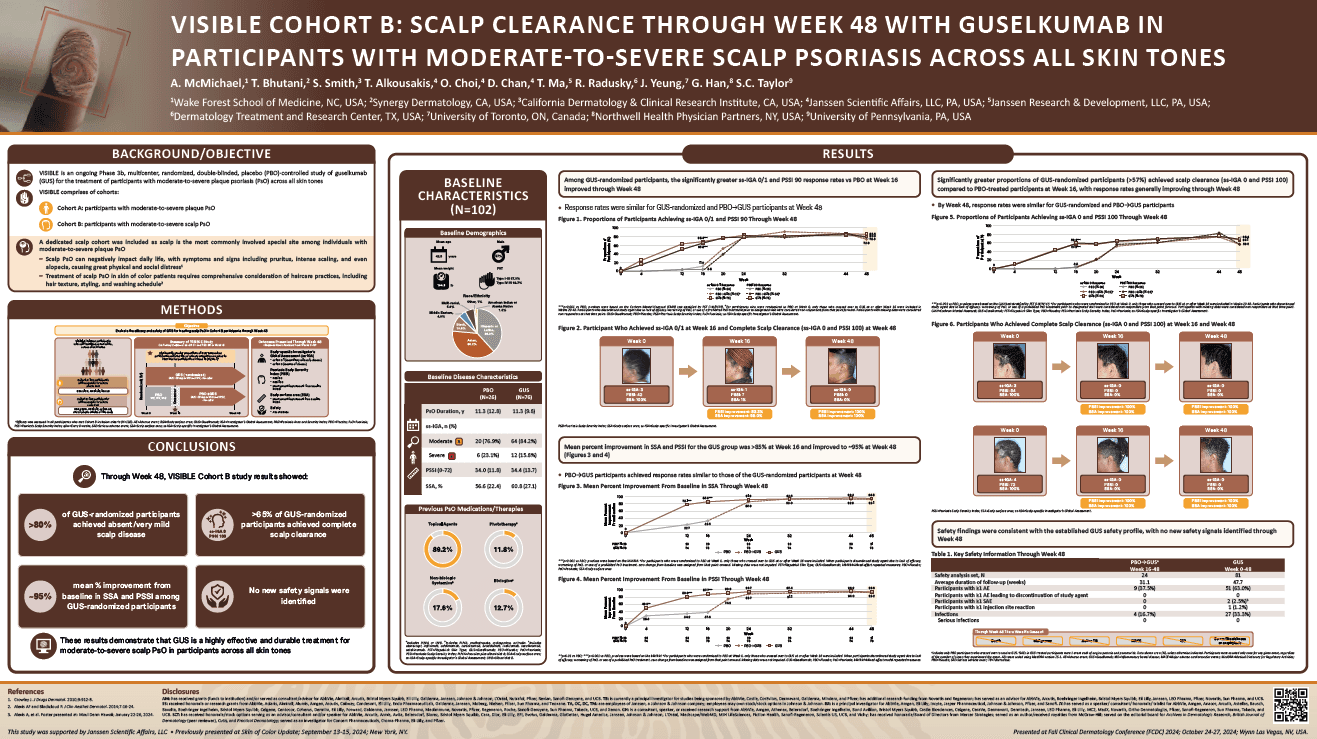
Authors: A. McMichael et al.
This poster presents data from the Phase 3b VISIBLE study, a multicenter, randomized, double-blind, placebo-controlled trial evaluating guselkumab (GUS) in participants with moderate-to-severe scalp psoriasis. The study aimed to assess the efficacy (measured by ss-IGA, PSSI, and SSA scores) and safety of GUS after 48 weeks of treatment. Results showed that 80% of participants in the 48-week treatment group achieved complete or near-complete remission of scalp disease, with over 65% achieving full clearance. By week 16, 66% and 68% of GUS-treated patients reached PSSI 90 and ss-IGA 0/1 responses, respectively. Safety outcomes aligned with GUS's established safety profile, with no new safety signals observed.
Sustained improvements in psoriasis area and severity index and in percent body surface area of psoriasis with JNJ-77242113 in patients with moderate-to-severe plaque psoriasis: Treat-to-target analyses in the FRONTIER 1 & 2 studies
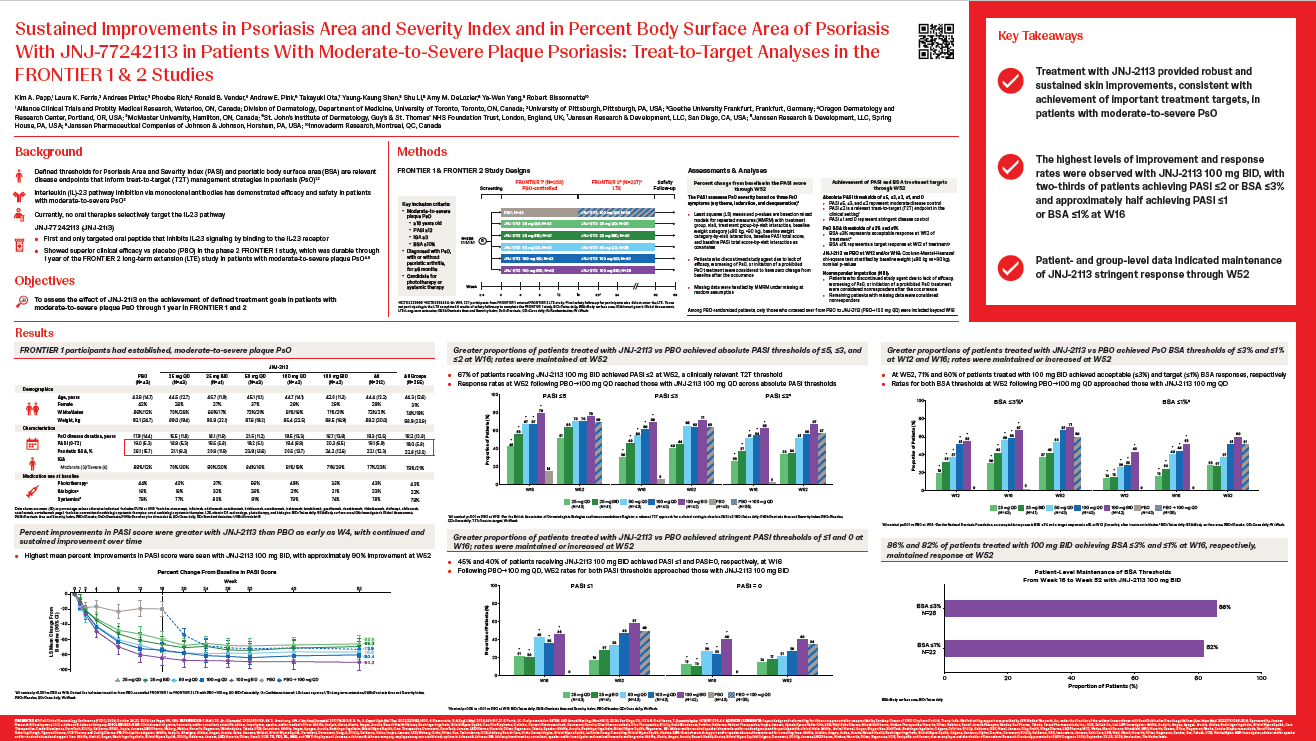
Authors: Kim A Papp et al.
The poster presents findings from the Phase 2 FRONTIER 1 and long-term extension FRONTIER 2 studies, evaluating the efficacy and safety of JNJ-77242113 (JNJ-2113), an oral IL-23 receptor inhibitor, in patients with moderate-to-severe plaque psoriasis (PsO). The study found that patients receiving JNJ-2113, especially at the 100 mg BID dose showed significant improvement in PASI and reduction of affected body surface area (BSA). At 16 weeks, 62% of patients achieved PASI of 2 or less, with 40% achieving PASI = 0, and 52% achieving BSA of 1% or less. Improvements continued to increase or were sustained through week 52. The results support the potential of JNJ-2113 as a targeted oral treatment option for moderate-to-severe plaque psoriasis.
Sunday, October 27, 2024
What’s New in JAMA Derm?
Dr April W. Armstrong’s presentation highlighted a series of impactful recent studies, covering a broad range of dermatologic conditions and treatments, published in JAMA Dermatology. She begins with a study examining the efficacy of combining oral acitretin with topical triamcinolone (TAC) for oral lichen planus. The combination therapy proved significantly more effective than topical TAC alone, leading to greater reductions in oral disease severity and longer-lasting symptom relief.
Dr Armstrong then moved on to discuss bimekizumab’s role in treating severe palmoplantar pustular psoriasis and palmoplantar plaque psoriasis with pustules. The study showed that within 15 to 30 days, most patients experienced improvement, and within 1 to 4 months, significant clearance of skin and nail symptoms was achieved, alongside resolution of associated conditions like acrodermatitis continua of Hallopeau and SAPHO syndrome.
She also presented promising results for upadacitinib in treating recalcitrant granulomatous cheilitis (GC), where 80% of patients achieved complete remission in just 4 months, with simultaneous control of Crohn’s disease.
Next, Dr Armstrong discussed the potential of metformin in promoting hair growth for patients with central centrifugal cicatricial alopecia. A case series from JAMA Dermatology identified a positive relationship between metformin use and hair growth in these patients.
Finally, she covers long-term follow-up data from the Ritux 3 trial, which showed that rituximab combined with short-term prednisone can offer sustained remission and reduce relapse rates in pemphigus, providing encouraging evidence for long-term management of this condition.
What’s New in JAAD?
Dr Dirk Elston presented a comprehensive review of the top JAAD articles and findings from 2024. Dr Elston truly highlighted the major impact of JAAD with a presentation of slide after slide of groundbreaking articles. His presentation began with an important finding linking dupilumab to an increased risk of mycosis fungoides. He then discussed a study on diagnosing centrally located alopecia in patients of African descent, emphasizing that while central centrifugal cicatricial alopecia is a common diagnosis, up to half of these patients may also have pattern alopecia, suggesting that differential diagnoses should include causes considered in other populations.
The presentation continued with studies addressing a wide range of topics: lentigo maligna margins on the head and neck, the safety profile of guselkumab in patients with psoriasis and a history of neoplasms or hepatitis, crisaborole for stasis dermatitis, roflumilast for seborrheic dermatitis, spesolimab and imsidolimab for generalized pustular psoriasis, skin cancer risks in UV phototherapy without psoralens, noninvasive treatments for cutaneous neurofibromas, deucravacitinib for scalp psoriasis, propranolol duration for infantile hemangiomas, and the impact of dupilumab on patch testing.
Dr Elston also covered ongoing research published in JAAD, including eblasakimab trials for atopic dermatitis, apremilast for genital psoriasis, orismilast for moderate-to-severe psoriasis, povorcitinib and other treatments for hidradenitis suppurativa, the relationship between solvent exposure and systemic sclerosis, hyperbaric oxygen therapy for calciphylaxis, dermoscopy findings for lentigo maligna, comparisons of treatments for Bowen’s disease and extramammary Paget’s disease, M-PDT and lasers for acne vulgaris, ALA-PDT for rosacea, alpha-gal syndrome, and cross-reactions with biologics.
What’s New in SKIN?
Dr Roger Ceilley provided a comprehensive overview of the past year for SKIN: The Journal of Cutaneous Medicine, highlighting the journal’s rapid growth and valuable contributions to the field of dermatology. As a peer-reviewed, open-access, and online-only journal, SKIN has surpassed 1.4 million reads since its launch while expanding its editorial team and fellow/medical student board and steadily increasing its monthly readership.
Dr Ceilley also addressed significant advancements in dermatology research published in SKIN. He highlighted new consensus statements on psoriasis, which underscore the systemic impact of the disease and emphasize the importance of early intervention for patients with mild-to-moderate psoriasis. Additionally, he discussed the rising influence of artificial intelligence (AI) in dermatology, while drawing attention to the lack of pediatric-focused AI research and the potential for AI to improve access to care for underserved populations.
In terms of therapeutic advancements, SKIN published an expert consensus report on bimekizumab, which demonstrated faster and more effective results compared to other biologics, though with a higher risk of oral candidiasis.
Dr Ceilley also introduced a new section in the journal dedicated to medical education in dermatology. Recent articles in this section have explored topics like the diagnostic confidence of dermatology residents when treating patients with skin of color. Additionally, he highlighted one of the journal’s most popular sections, “SKINmages: Clinical Images in Dermatology,” which invites authors to submit rare and intriguing dermatologic observations. Several compelling images and corresponding cases were shared as examples of this unique feature.
What’s New in Dermatologic Surgery?
Dr Marc D. Brown’s presentation provided a detailed overview of recent studies shaping dermatologic surgery practices published in Dermatologic Surgery. One key topic addressed in the journal is the low incidence of bacteremia, infective endocarditis, and prosthetic joint infections in dermatologic surgery. Based on a systematic review, the findings suggest that prophylactic antibiotics may not be necessary for most cutaneous surgeries, as the risk of complications is minimal. Another study presented addressed the effect of preoperative chlorhexidine gluconate cleansing on reducing surgical site infections, particularly for lower extremity surgeries. In one retrospective cohort study, daily chlorhexidine washes for 14 days significantly reduced infection rates to 0% in Mohs surgeries.
Brown discussed the use of novel oral anticoagulants (NOACs) in dermatologic surgery, which have become increasingly common. A study found that NOAC monotherapy does not lead to a significant increase in postoperative bleeding complications compared to patients not on antithrombotics. However, combining NOACs with aspirin greatly increased bleeding risk, highlighting the need for careful management of anticoagulated patients.
The presentation also examined the off-label use of topical treatments like 5-fluorouracil (5-FU) and imiquimod for squamous cell carcinoma (SCC) in situ. While 5-FU was effective for smaller lesions, recurrence rates were higher for larger ones. Imaging techniques, such as MRI, CT, and PET scans, were highlighted for their effectiveness in detecting high-risk tumor features, such as perineural invasion and bone involvement, especially in SCC cases.
Lastly, Dr Brown highlighted findings from Dermatologic Surgery showing that intraoperative immunohistochemistry during Mohs surgery significantly reduces local recurrence rates in invasive melanoma, making it a valuable tool for improving surgical outcomes.
Deucravacitinib in plaque psoriasis: laboratory parameters through 4 years of treatment in the phase 3 POETYK PSO-1, PSO-2 and LTE trials
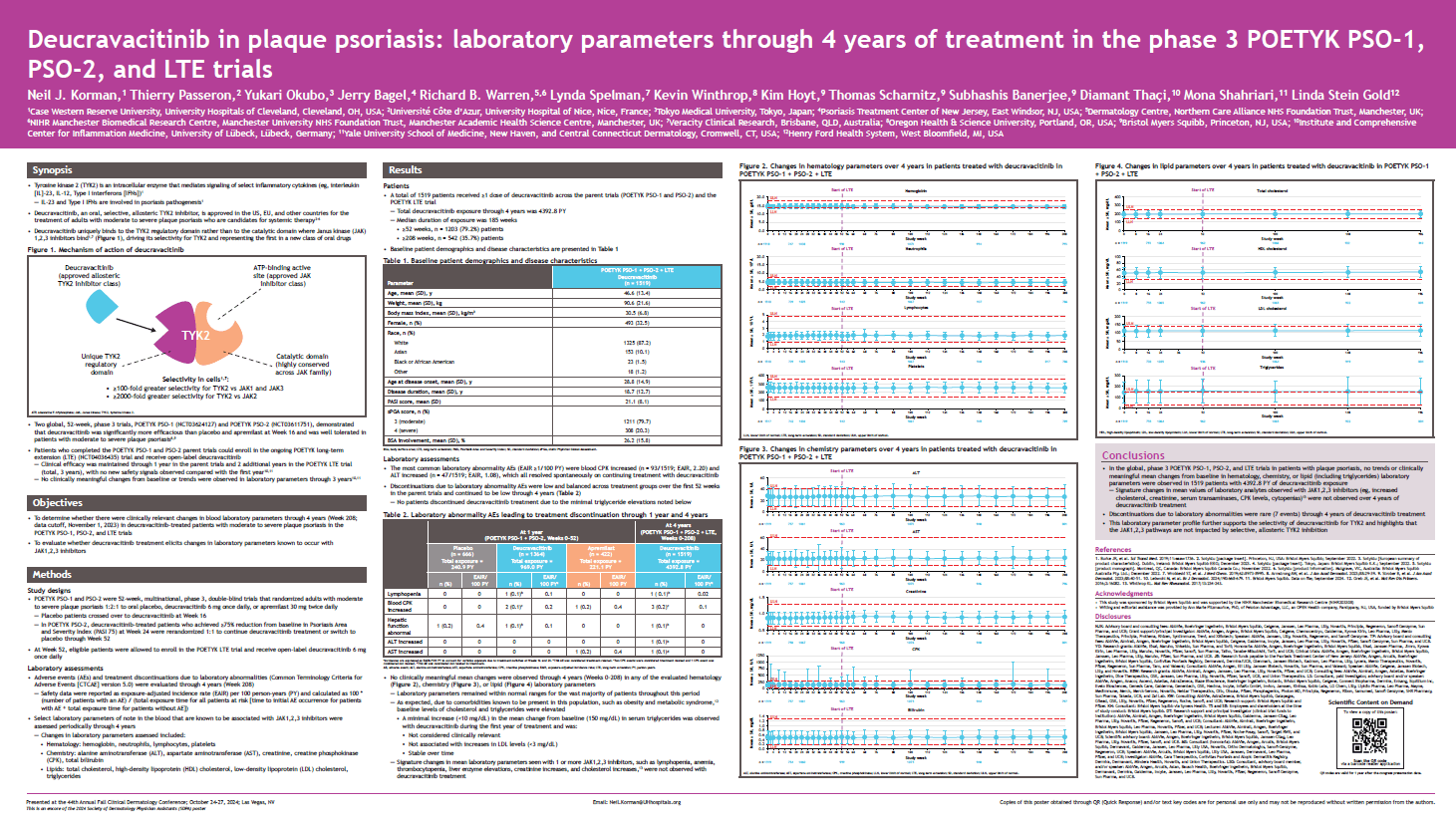
Author: Neil J. Korman et al.
Deucravacitinib, an oral TYK2 inhibitor, is FDA approved for the systemic treatment of moderate-to-severe plaque psoriasis. This poster presents updated four-year data on changes in blood laboratory parameters from the POETYK PSO-1, PSO-2, and LTE trials. The study assessed serum hematology, chemistry, and lipid levels commonly affected by JAK inhibitors. Results showed that while transient elevations in CPK and ALT were the most frequent abnormalities, there were no clinically meaningful changes in any measured laboratory parameters. These findings support the selectivity of deucravacitinib for TYK2, demonstrating that JAK 1, 2, and 3 pathways remain unaffected by allosteric TYK2 inhibition.
Decruavacitinib in plaque psoriasis: 4-year safety and efficacy results from phase 3 POETYK PSO-1 PSO-2, and LTE trials
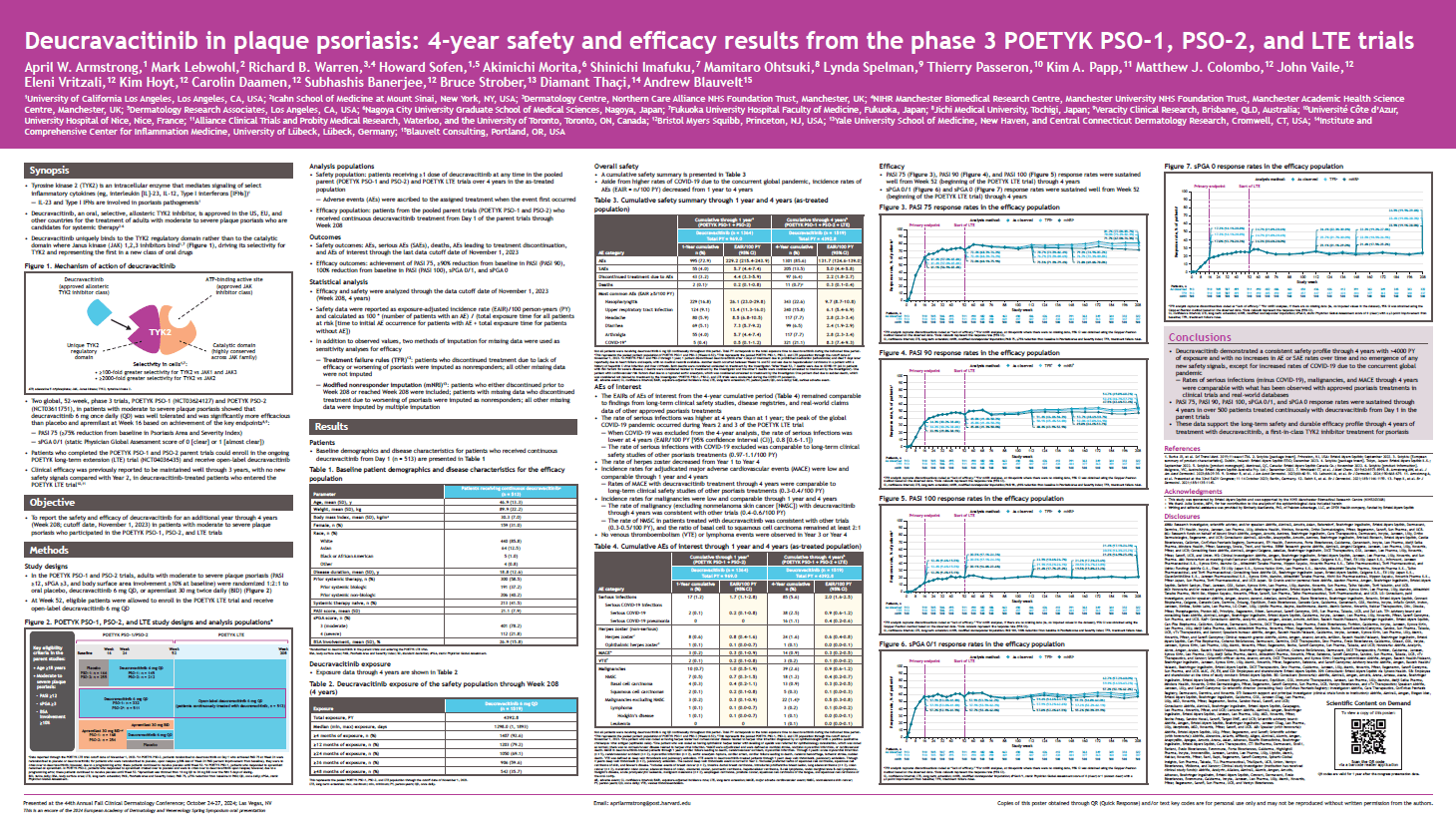
Author: April W. Armstrong et al.
Deucravacitinib, an oral TYK2 inhibitor, is FDA approved for the systemic treatment of moderate-to-severe plaque psoriasis. This poster presents updated four-year safety and efficacy data from the POETYK PSO-1, PSO-2, and LTE trials. The most common adverse events (AEs) included nasopharyngitis, upper respiratory infection, headache, diarrhea, and arthralgias. Additionally, serious infections, herpes zoster, major adverse cardiovascular events (MACE), venous thromboembolism (VTE), and malignancies were monitored. The exposure-adjusted incidence rates of AEs decreased over time from the one-year to the 4-year cumulative analysis. Although the rate of serious infections was higher at four years, this was attributed to the COVID-19 pandemic during years two and three. The four-year cumulative risks were 0.9% for MACE, 0.2% for VTE, 2.6% for malignancies, and 5.6% for serious infections. Efficacy, as measured by PASI75, PASI90, PASI100, and sPGA 0/1 and 0 response rates, was sustained throughout the four years.

Brooke Bartley, MD
Internal Medicine Preliminary Resident
Texas Health Presbyterian Dallas