Intercepting Psoriatic Arthritis in Dermatology Practice: A Call to Action Using the PEST Exam
Psoriatic arthritis is often missed until irreversible joint damage has occurred, but dermatology clinicians can change that. This article highlights how routine use of the PEST exam enables early interception of PsA and empowers dermatology practices to prevent long-term disability.
January 21, 2026
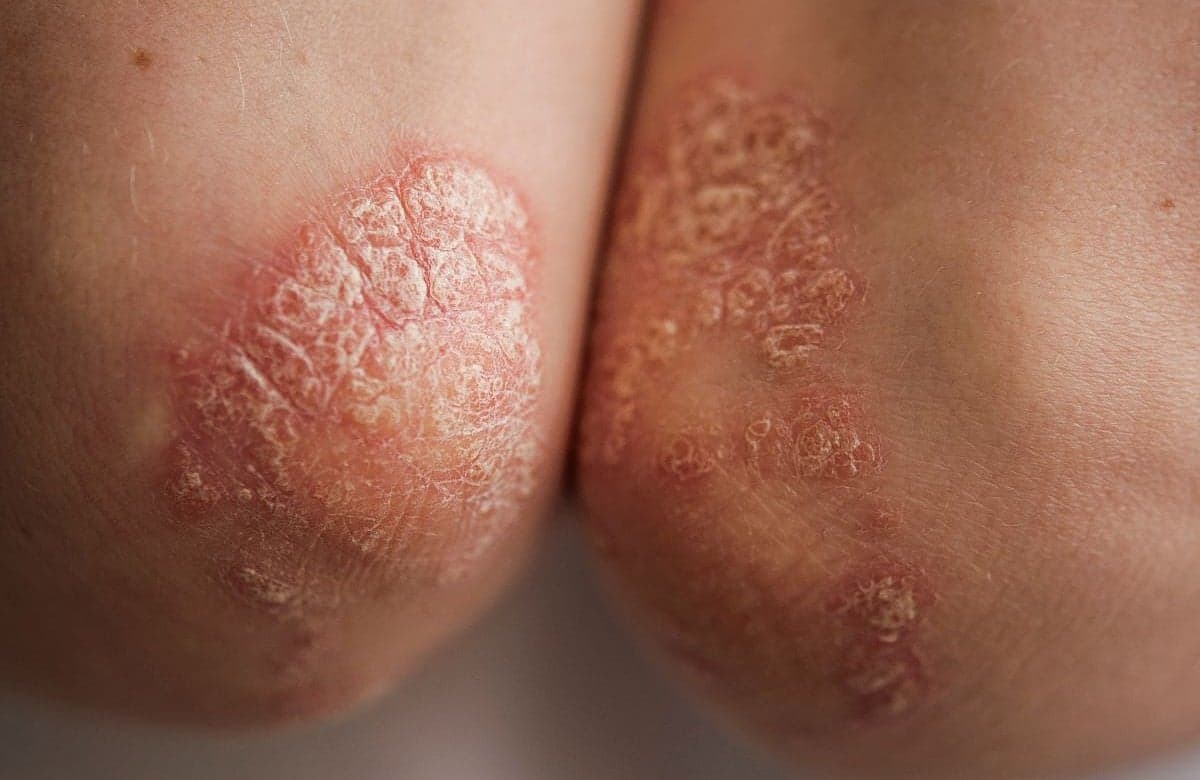
Psoriatic arthritis (PsA) remains one of the most consequential yet underrecognized comorbidities associated with psoriasis. Despite the availability of effective systemic therapies, PsA may be diagnosed late, sometimes after irreversible joint damage and functional impairment have occurred. The instructional video on administering the Psoriasis Epidemiology Screening Tool (PEST) underscores a critical message: dermatology clinicians are uniquely positioned to diagnosis PsA early, before long-term disability may develop.
A persistent misconception in clinical practice is that PsA severity parallels cutaneous disease burden. In reality, PsA usually occurs independently of skin severity, and patients with minimal skin manifestations of psoriasis may harbor significant inflammatory joint disease. As highlighted in the video, evaluating psoriasis while assessing for PsA is important at nearly every initial and follow up visit. Dermatology visits often serve as the most consistent—and sometimes only—medical touchpoint for these patients, creating an urgent responsibility to screen proactively.
The PEST exam provides a pragmatic, evidence-based approach that integrates seamlessly into routine dermatology workflows. The 5-question yes/no questionnaire can be administered efficiently by clinic staff or electronically, identifying patients at increased risk when three or more responses are positive. Screening tools such as the PEST have demonstrated effectiveness in identifying undiagnosed PsA in dermatology populations, supporting their routine use in clinical practice.²⁻⁴ Importantly, the PEST is not intended to replace rheumatologic evaluation but rather to prompt timely examination, referral, and treatment escalation when indicated.
The focused physical examination that follows the questionnaire is equally critical. As demonstrated in the video, systematic palpation of the metacarpophalangeal, proximal interphalangeal, and distal interphalangeal joints, paired with direct patient feedback, often reveals tenderness or swelling that patients may normalize or fail to report. Nail findings, including pitting and onycholysis, should not be dismissed, as nail disease is associated with PsA, particularly distal interphalangeal involvement. These findings alone should heighten clinical suspicion, even in the absence of overt joint complaints.
Enthesitis represents another commonly overlooked manifestation of PsA. Heel pain involving the Achilles tendon or plantar fascia is frequently misattributed to mechanical conditions such as plantar fasciitis, particularly in primary care settings. In patients with psoriasis, however, these symptoms warrant a higher index of suspicion. The dermatology clinician is often the first to connect these musculoskeletal complaints to an underlying inflammatory process.
Precise documentation serves as the bridge between screening and action. Recording specific joints, digits, laterality, and severity of tenderness creates an objective medical record and facilitates appropriate therapeutic decisions. A positive PEST exam should prompt consideration of systemic agents with dual skin and joint efficacy, including TNF inhibitors and IL-17 or IL-23 inhibitors. Treating cutaneous disease alone may temporarily control skin symptoms while joint inflammation progresses silently. Early systemic intervention, by contrast, has the potential to alter disease trajectory and prevent structural joint damage.¹⁻³
Few interventions in dermatology offer a greater return on time invested. The PEST exam requires less than five minutes yet carries the potential to prevent decades of disability. Incorporating routine PsA screening into psoriasis visits transforms dermatologic care from reactive disease management to proactive disease interception. Mastery of this simple, targeted tool reinforces dermatology’s expanding role in preserving not only skin health, but long-term musculoskeletal function and quality of life.
References
Mease PJ. Psoriatic arthritis: update on pathophysiology, assessment, and management. Ann Rheum Dis. 2011;70(suppl 1):i77-i84.
Hioki T, Komine M, Ohtsuki M. Diagnosis and intervention in early psoriatic arthritis. J Clin Med. 2022;11(7):2051.
Coates LC, Aslam T, Al Balushi F, et al. Comparison of three screening tools to detect psoriatic arthritis in patients with psoriasis (CONTEST study). Br J Dermatol. 2013;168(4):802–807.