Access Is Still Human: Working with AI to Help Patients Start ZORYVE
A practical webcast on access steps, AI tools, and the human judgment that helps move patients from prescribed to picked up.
Access has become one of the most important workflows in dermatology practice. Prior authorizations, payer criteria, pharmacy routing, affordability steps, denial triage, and patient follow-up all shape whether a prescription becomes treatment in hand.
AI tools are now part of that process, helping with tasks like chart review, PA drafting, queue tracking, and workflow organization. But automation is only as strong as the information it receives, and it cannot replace clinical context, access experience, or patient communication by the people who keep these processes moving.
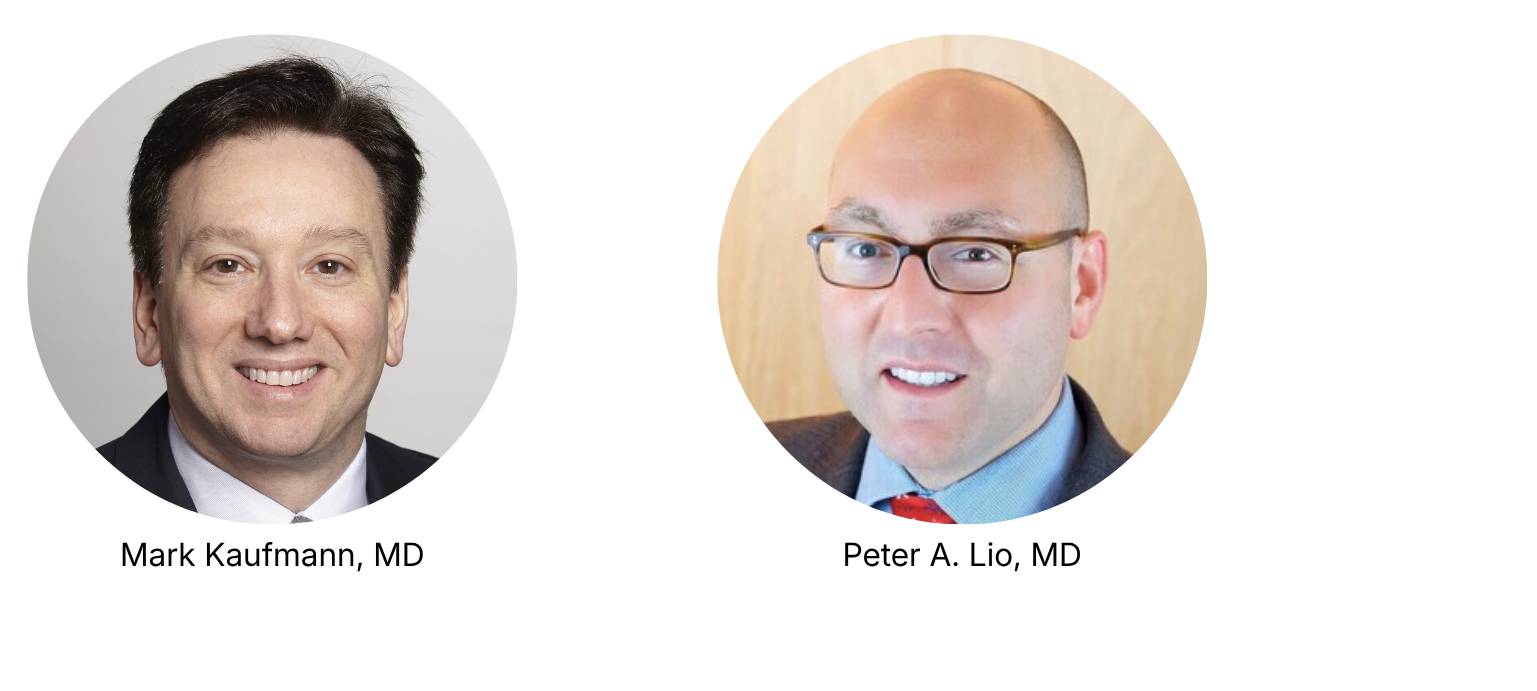
In this webcast, Mark D. Kaufmann, MD, and Peter A. Lio, MD, will discuss how dermatology practices can build more efficient, human led access workflows for ZORYVE. The conversation will move step-by-step through the full prescription journey, from getting the prescription right at the start to strengthening documentation, clarifying pharmacy pathways, and closing the loop with patients.
See Indications and Important Safety Information Below
Thursday, September 24 — 7:00-8:00 PM ET / 6:00-7:00 PM CT
You’ll hear discussion on:
Where AI tools may help streamline steps required to access ZORYVE
Why human judgment may be needed in documentation, denial review, and follow up for ZORYVE
How documenting ZORYVE formulation, strength, dose, age, and indication can shape the PA process
How chart notes can better support access to ZORYVE by documenting the clinical "why"
Why PA approval may not be the finish line- patient receipt of product is
How human follow-up can help move a patient from approved to ZORYVE in hand
Who should attend:
This webcast is designed for the entire dermatology practice team, including MD/DOs, NP/PAs, residents/fellows, biologic coordinators, medical assistants, and other staff involved in access workflows.
Meet the Faculty:
 INDICATIONS
ZORYVE cream, 0.05%, is indicated for topical treatment of mild to moderate atopic dermatitis in pediatric patients 2 to 5 years of age.
ZORYVE cream, 0.15%, is indicated for topical treatment of mild to moderate atopic dermatitis in adult and pediatric patients 6 years of age and older.
ZORYVE cream, 0.3%, is indicated for topical treatment of plaque psoriasis, including intertriginous areas, in adult and pediatric patients 2 years of age and older.
ZORYVE topical foam, 0.3%, is indicated for the treatment of plaque psoriasis of the scalp and body in adult and pediatric patients 12 years of age and older.
ZORYVE topical foam, 0.3%, is indicated for the treatment of seborrheic dermatitis in adult and pediatric patients 9 years of age and older.
IMPORTANT SAFETY INFORMATION
ZORYVE is contraindicated in patients with moderate to severe liver impairment (Child-Pugh B or C).
Flammability: The propellants in ZORYVE foam are flammable. Avoid fire, flame, and smoking during and immediately following application.
The most common adverse reactions reported (≥1%) for ZORYVE cream 0.05% for pediatric patients with atopic dermatitis 2 to 5 years of age were upper respiratory tract infection (4.1%), diarrhea (2.5%), vomiting (2.1%), rhinitis (1.6%), conjunctivitis (1.4%), and headache (1.1%).
The most common adverse reactions reported (≥1%) for ZORYVE cream 0.15% for patients with atopic dermatitis 6 years of age or older were headache (2.9%), nausea (1.9%), application site pain (1.5%), diarrhea (1.5%), and vomiting (1.5%).
The most common adverse reactions reported (≥1%) for ZORYVE cream 0.3% for plaque psoriasis were diarrhea (3.1%), headache (2.4%), insomnia (1.4%), nausea (1.2%), application site pain (1.0%), upper respiratory tract infection (1.0%), and urinary tract infection (1.0%).
The most common adverse reactions reported (≥1%) for ZORYVE foam 0.3% for plaque psoriasis were headache (3.1%), diarrhea (2.5%), nausea (1.7%), and nasopharyngitis (1.3%).
The most common adverse reactions reported (≥1%) for ZORYVE foam 0.3% for seborrheic dermatitis were nasopharyngitis (1.5%), nausea (1.3%), and headache (1.1%).
Please see full Prescribing Information for ZORYVE cream and full Prescribing Information for ZORYVE foam.
Legal Disclaimer Privacy Notice
All trademarks, logos, and brand names are the property of their respective owners.
© 2026 Arcutis Biotherapeutics, Inc. All rights reserved. US-COM-PTF-01244 09/26