The Distance Between Habit and Strategy
Topical therapy has changed considerably over the past decade, and prescribing, according to three years of claims data, has barely noticed.
By Dermsquared Editorial Team | October 23, 2026
Ask most clinicians how they choose a topical therapy and the answer will sound deliberate. Body site, duration, prior response, whether a patient will tolerate a particular vehicle on the scalp or in the folds, these are the variables people describe. Few would say they reach for a corticosteroid because they always have, though the data suggest habit may be doing a good deal of the choosing.
That gap, between how we believe we practice and what the evidence shows, was the subject of a Fall Clinical 2026 symposium led by Mark Lebwohl, MD, and Diane Hanna, DNP. Its title asked the question plainly: do we prescribe the way we think we do?
The numbers come from a claims analysis, and what makes them striking is less their size than their relative consistency. From 2022 through 2024, roughly 2.1 to 2.3 million commercially insured patients each year filled a prescription for atopic dermatitis, psoriasis, or seborrheic dermatitis. More than 90% received a topical corticosteroid; among those treated topically, 96% to 97% did. Advanced targeted topicals, the nonsteroidal agents that have reached the market over the past decade, accounted for about 3% or less. Year to year, neither figure moved by more than a fraction of a percentage point. Claims data have their blind spots, since severity goes uncaptured and a filled prescription is not proof of use. A pattern this steady is still hard to explain away.
Dr Lebwohl was careful not to cast corticosteroids as the villain. They work, clinicians know them intimately, and they come in nearly every potency and vehicle. For many patients they remain the right choice. The more interesting question is whether long familiarity still reflects the full range of what is available, or whether it has quietly become a substitute for choosing.
Medicine has a long record of this kind of lag. Patients are still told to fast before a lipid panel, although nonfasting measurements are the better predictor of cardiovascular risk. Corticosteroids have been shown to reduce morbidity and mortality in hospitalized patients with community-acquired pneumonia, yet many US hospitals have not made them standard of care. Against these, Dr Lebwohl set one pointed exception: PDE-5 inhibitors, which were adopted almost at once. Evidence alone, apparently, does not set the pace.
What does? The symposium named the familiar forces of habit, cost and formulary pressure, step therapy and prior authorization, and guidance that has not fully settled where newer topicals belong. For Dr Lebwohl, though, the most consequential barrier is often the most practical one, which is getting the prescribed therapy into the patient's hands. A prescription priced beyond reach at the chain pharmacy is not a treatment option. Specialty and discount pharmacies that handle prior authorization and ship directly to patients can change that. Hanna approached the same problem from inside the clinic, through documentation, workflow, and an honest accounting of what clinicians can control and what they cannot.
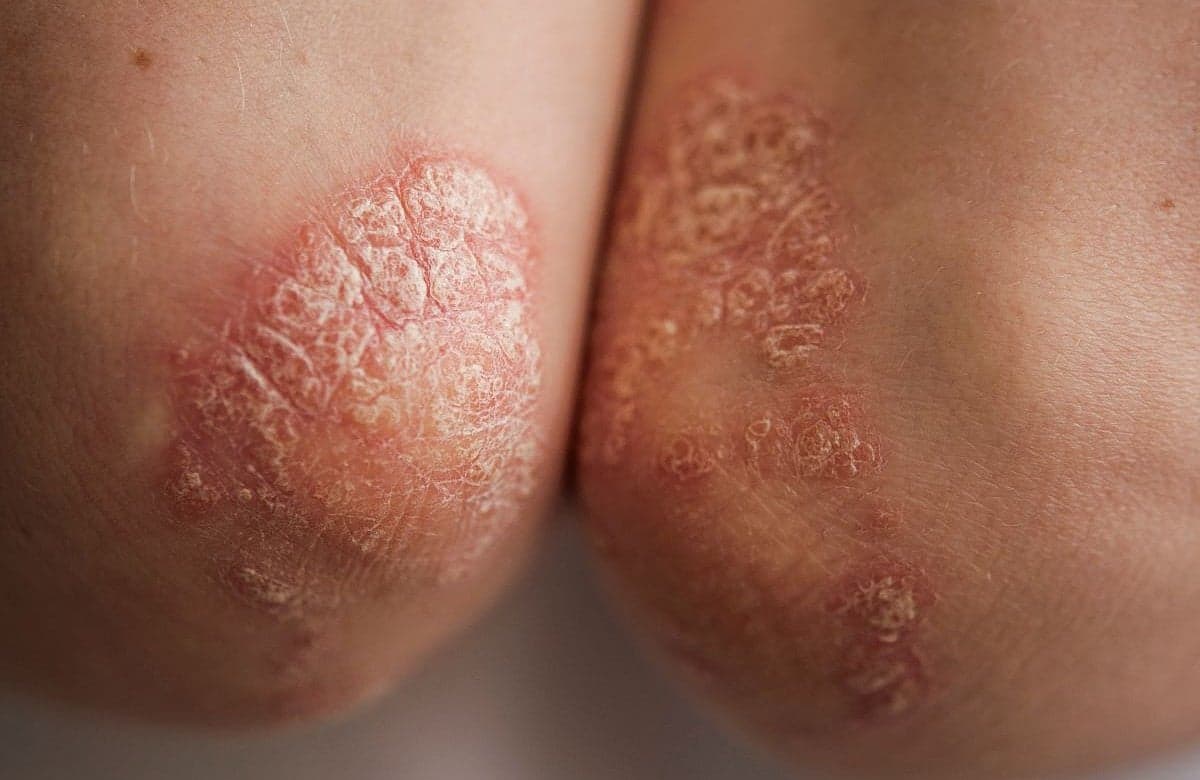
The reframing Dr Lebwohl offered is modest in wording and considerable in consequence. The question is no longer which steroid to use, but which topical strategy makes sense for this patient and this disease over time. In psoriasis the distinction is concrete. A patient with plaques on the scalp, the elbows, and the inguinal folds has traditionally left with a different potency for each site, along with instructions about duration and a quiet concern about the thinner skin. The companion conversation in this collection, on genital psoriasis, takes up the anatomy where that concern runs highest. A strategy built around the course of the disease rather than each flare asks more of a clinician than a refill does.
The symposium closed without a verdict, leaving two questions with the room instead. Where are our prescribing habits grounded in deliberate strategy, and where might familiarity be doing more of the work than we realize? And as the topical armamentarium widens, what would a meaningful change in practice actually look like? Alongside those questions came an invitation to join a study measuring the distance between how clinicians say they prescribe and what the claims record. Most of us, presumably, would rather know.
.
Reference:
Burshtein J, Lebwohl M, Vender R, et al. Prescribing patterns for topical corticosteroids versus advanced targeted topical therapies in chronic inflammatory skin diseases: a 2022–2024 claims analysis. Manuscript in preparation.