Clinical Therapies18 therapies
Explore treatment options, drug details, and clinical resources organized to support dermatology decision-making.

Actinic Keratosis Treatment Options Resource
View tool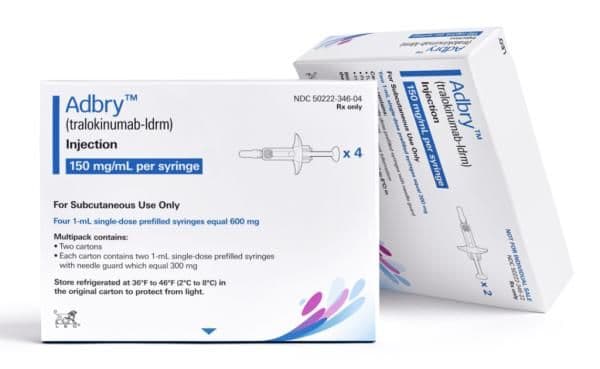
Adbry (tralokinumab-ldrm)
Adbry (tralokinumab-ldrm) is an interleukin-13 (IL-13) antagonist biologic therapy administered by subcutaneous injection, indicated for the treatment of moderate-to-severe atopic dermatitis (AD) in adults and pediatric patients aged 12 years and older whose disease is not adequately controlled with topical prescription therapies or when those therapies are not advisable. Adbry selectively binds to IL-13, a key cytokine involved in the inflammatory response of AD, blocking its interaction with IL-13 receptors to reduce inflammation and skin barrier dysfunction. The package insert specifically mentions the following adverse events: upper respiratory tract infections, conjunctivitis, injection site reactions, and eosinophilia. Patients should be monitored for signs of hypersensitivity reactions, conjunctivitis, and keratitis. Live vaccines should be avoided during treatment with Adbry. It can be incorporated into a broader treatment strategy for atopic dermatitis, offering a targeted approach for patients who have not responded to topical therapies. Adbry may be used as monotherapy or in combination with topical corticosteroids, providing flexibility in managing both acute and chronic symptoms. Its selective inhibition of IL-13, without affecting IL-4, differentiates it from other biologics in the AD treatment landscape, making it a valuable long-term therapy option for eligible patients.
View details
Anzupgo (delgocitinib)
View details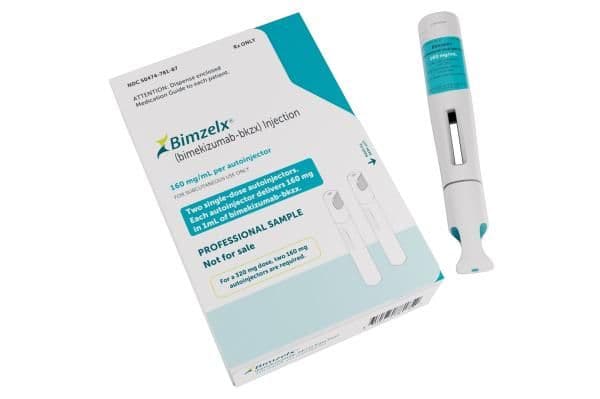
Bimzelx (bimekizumab-bkzx)
Bimzelx (bimekizumab-bkzx) is a dual humanized interleukin 17A and F antagonist biologic therapy administered by subcutaneous injection. It is indicated for the treatment of adults with moderate to severe plaque psoriasis, active psoriatic arthritis, moderate to severe hidradenitis suppurativa, active nonradiographic axial spondyloarthritis with objective signs of inflammation, and active ankylosing spondylitis. Bimzelx targets IL-17A and IL-17F, cytokines involved in inflammatory and immune processes, particularly in conditions like psoriasis and hidradenitis suppurativa. By inhibiting both IL-17A and IL-17F, Bimzelx suppresses the release of proinflammatory cytokines and chemokines. For psoriasis and hidradenitis suppurativa, the package insert specifically mentions the following adverse reactions: upper respiratory tract infections, oral candidiasis, headache, injection site reactions, tinea infections, gastroenteritis, Herpes simplex infections, acne, folliculitis, other candida infections, and fatigue. For psoriatic arthritis, it mentions upper respiratory tract infections, oral candidiasis, headache, diarrhea, and urinary tract infections. In clinical practice, candidiasis is likely to be one of the most encountered adverse events with Bimzelx in patients treated for psoriasis, psoriatic arthritis, or hidradenitis suppurativa. Other notable adverse reactions include suicidal ideation and behavior, liver biochemical abnormalities, and inflammatory bowel disease. Clinicians should monitor patients closely for these events. As with other biologics, combining Bimzelx with additional immunosuppressive therapies, such as other biologics or live vaccines, is not recommended. Bimzelx can be used as part of a comprehensive treatment plan for dermatologic conditions, often combined with topicals to optimize patient outcomes. Its dual mechanism of action can offer an effective approach to addressing complex inflammatory pathways in psoriasis, psoriatic arthritis, and hidradenitis suppurativa.
View details
Biologic Medications for Psoriasis, HS, AD, PN, CSU, and BP
Brownstone-Lebwohl
View reference chart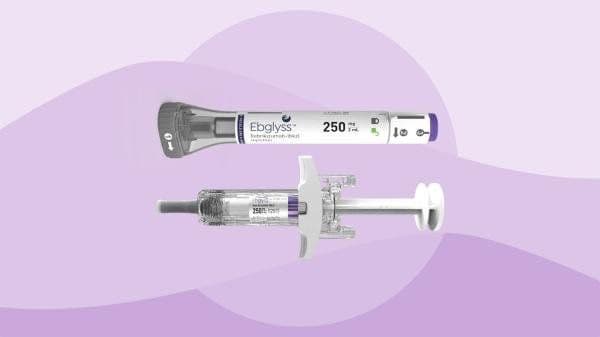
Ebglyss (lebrikizumab)
Ebglyss (lebrikizumab) is an IL-13 antagonist indicated for the treatment of moderate-to-severe atopic dermatitis (AD) in adult and pediatric patients ages 12 and older who weigh ≥40 kg. It is administered by subcutaneous injection with a dosing regimen that can be tailored to patient needs. Ebglyss selectively binds to IL-13, a key cytokine implicated in the pathophysiology of AD. By binding to IL-13 with high affinity and slow dissociation, Ebglyss prevents the formation of the IL-4R⍺/IL-13R⍺1 receptor complex and inhibits downstream IL-13 signaling. This targeted mechanism addresses the inflammation and skin barrier dysfunction central to AD. The label for Ebgyss specifically mentions the following adverse reactions (≥1%): conjunctivitis, injection site reactions, and herpes zoster. Ebglyss can be effectively incorporated into treatment plans for patients with moderate-to-severe AD who have not achieved adequate control with topical therapies or other systemic agents. It can be used as monotherapy or alongside topical treatments, providing flexibility in addressing both acute and chronic disease management. Ebglyss stands out for its highly specific inhibition of IL-13, offering a more focused approach compared to agents that target multiple cytokines. Its favorable safety profile and targeted action make it suitable for long-term use in eligible patients. Ebglyss has demonstrated substantial efficacy in improving disease severity and patient quality of life, making it a valuable option in the expanding AD treatment landscape.
View details
Generalized Idiopathic Pruritus Questionnaire
by Dr. Mark Lebwohl
View tool
Hair and Scalp Exam: A Practical Clinical Guide for PAs and NPs
View tool
JAK 1–3 & TYK2 Inhibitors in Dermatology
Del Rosso-Armstrong-Lebwohl-Brownstone
View reference chart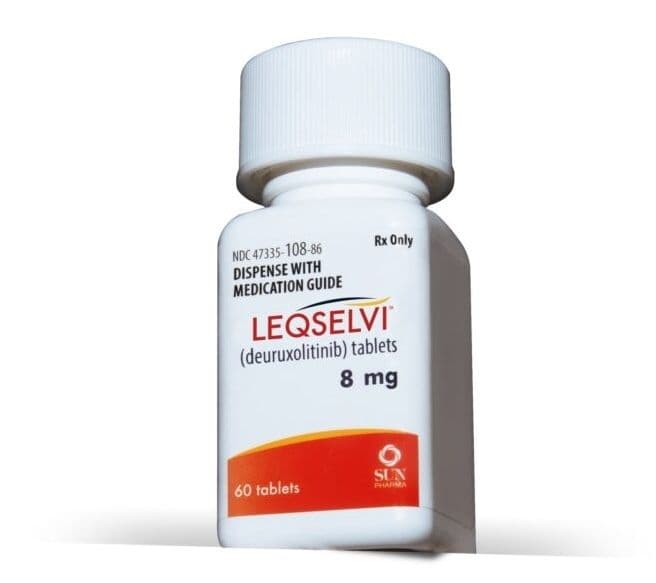
Leqselvi (deuruxolitinib)
View details
Nails Quick Reference Chart
View tool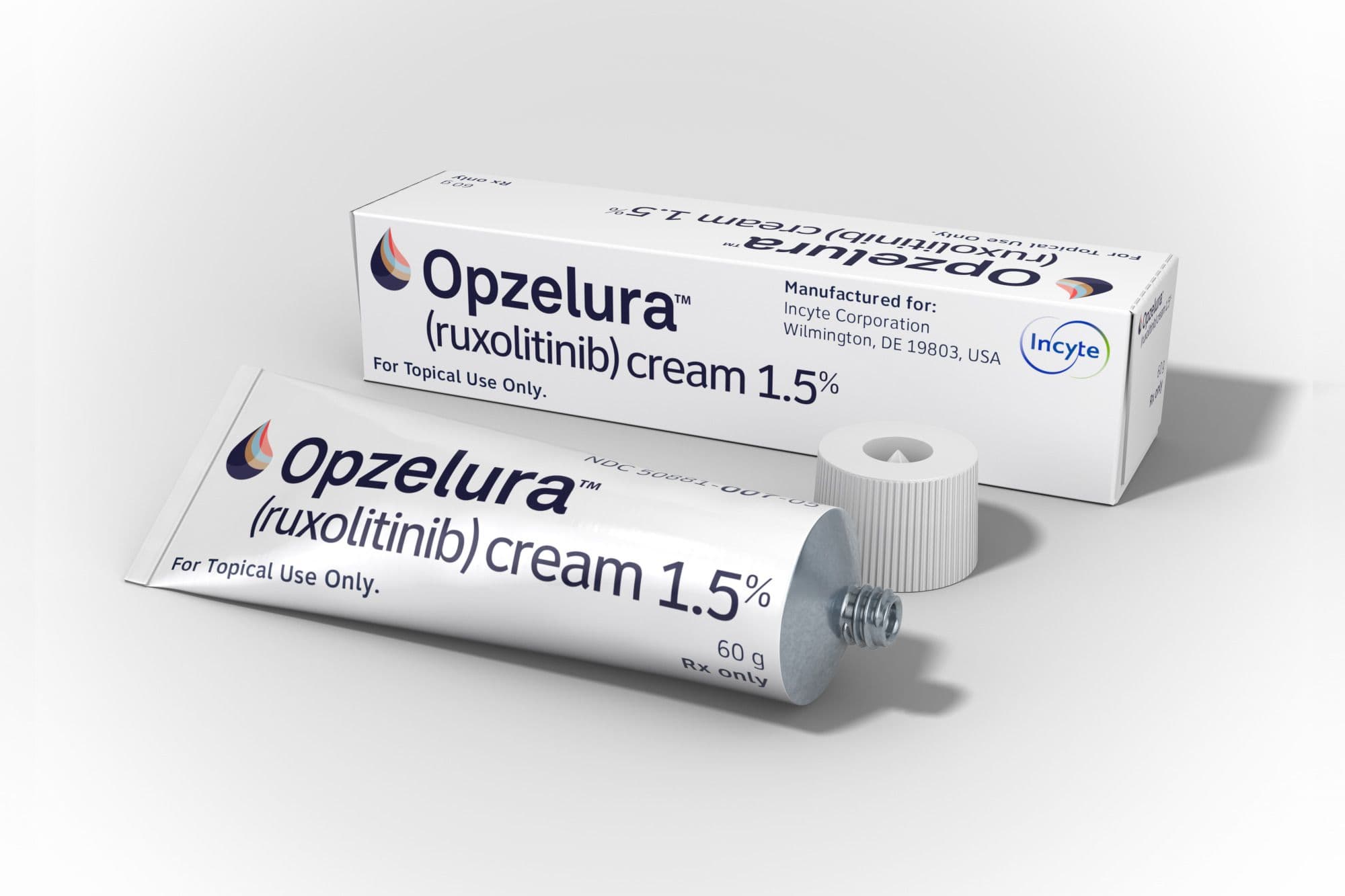
Opzelura (ruxolitinib) cream 1.5%
Opzelura cream is a topically applied JAK inhibitor indicated for the treatment of atopic dermatitis and for nonsegmental vitiligo in patients over the age of 12. The package insert contains the same boxed warnings that have been applied to oral JAK inhibitors and include warnings about malignancy, major adverse cardiovascular events, thrombosis, serious infections, and death; but there is no evidence that these are increased with topical application of Opzelura cream. The package insert recommends against using in combination with biologics, other JAK inhibitors, or immunosuppressive drugs such as azathioprine and cyclosporine; but in clinical practice, Opzelura cream is often used in combination with other treatments for atopic dermatitis such as biologic therapies.
View detailsPsoriasis Epidemiology Screening Tool (PEST)
View tool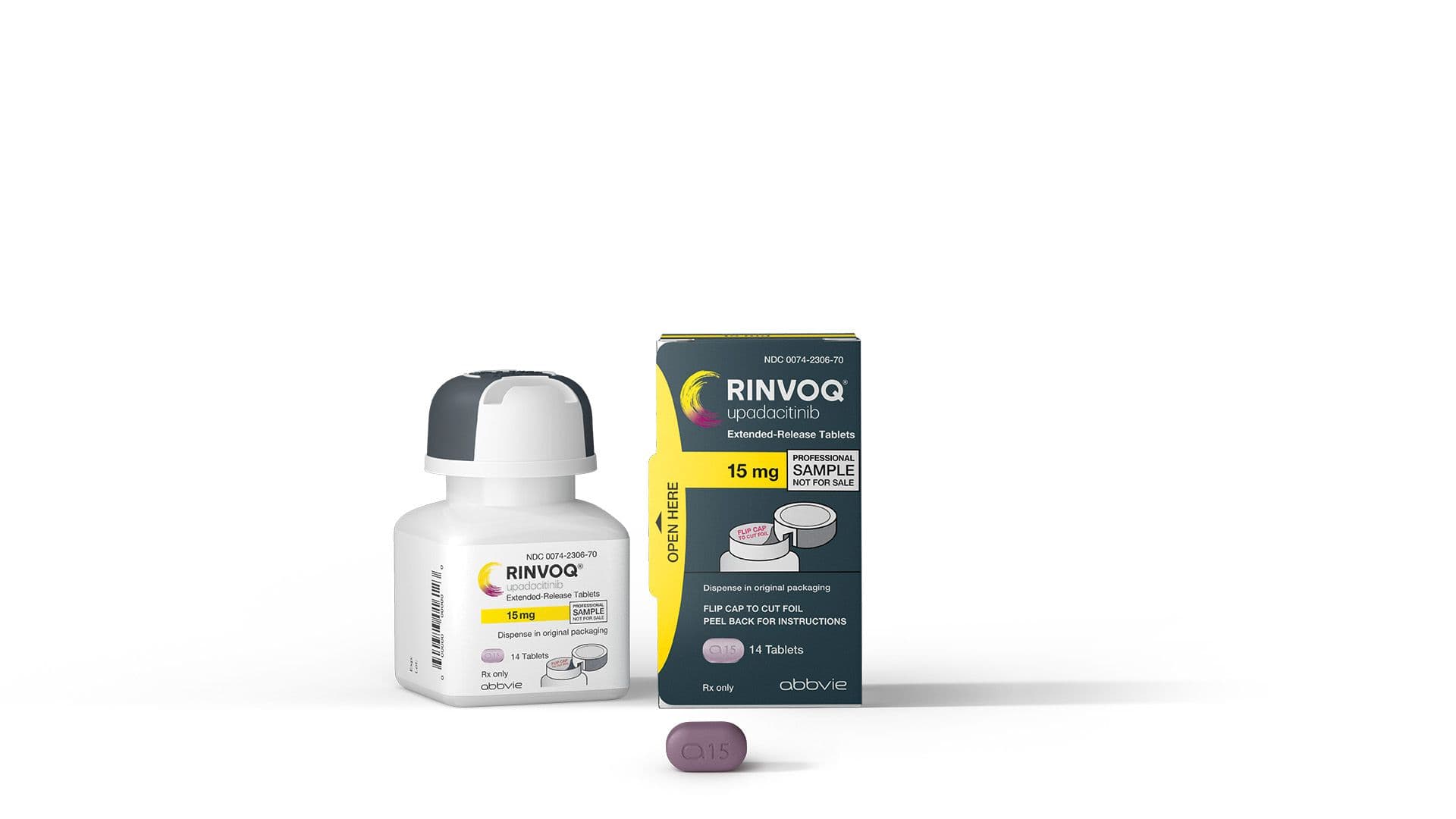
Rinvoq (upadacitinib)
Rinvoq (upadacitinib) is an oral, once-daily Janus kinase (JAK) inhibitor. In dermatology, it is indicated for the treatment of adults and pediatric patients 12 years and older with moderate to severe atopic dermatitis that is not adequately controlled with other systemic drugs and the treatment of adults and pediatric patients 2 years and older with active psoriatic arthritis who have had an inadequate response or intolerance to one or more TNF blockers. It is also indicated for the treatment of rheumatoid arthritis, ulcerative colitis, Crohn’s disease, active ankylosing spondylitis, active nonradiographic axial spondyloarthritis, and active polyarticular juvenile idiopathic arthritis. Rinvoq works by selectively inhibiting JAK1, with greater potency than JAK2, JAK3 and TYK2. By targeting the JAK-STAT signaling pathway, Rinvoq blocks the recruitment, phosphorylation, and activation of STATs, preventing pro-inflammatory cytokine signaling and inhibiting pro-inflammatory processes. For atopic dermatitis, the package insert specifically mentions the following adverse reactions (≥ 1%): upper respiratory tract infections, acne, herpes simplex, headache, blood creatine phosphokinase increase, cough, hypersensitivity, folliculitis, nausea, abdominal pain, pyrexia, increased weight, herpes zoster, influenza, fatigue, neutropenia, myalgia, and influenza-like illness. For psoriatic arthritis, it mentions the following adverse reactions (≥ 1%): upper respiratory tract infections, herpes zoster, herpes simplex, bronchitis, nausea, cough, pyrexia, acne, and headache. Rinvoq is not recommended for use in combination with other JAK inhibitors, biologic immunomodulators, or other immunosuppressants. Rinvoq offers a targeted oral option for patients with moderate-to-severe atopic dermatitis or active psoriatic arthritis who have not achieved adequate control with existing therapies. It can be integrated into treatment plans as a standalone systemic therapy. By addressing the JAK-STAT pathway, Rinvoq helps reduce inflammation and improve disease control, offering an effective option for patients living with refractory disease.
View details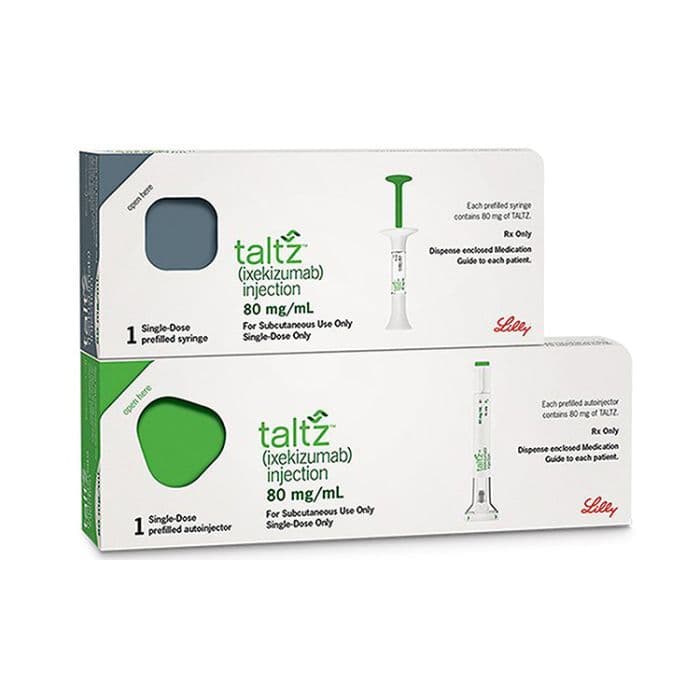
Taltz (ixekizumab)
Taltz (ixekizumab) is a monoclonal antibody biologic therapy administered by subcutaneous injection indicated for the treatment of moderate-to-severe plaque psoriasis in adults and pediatric patients aged 6 years and older, adults with active psoriatic disease, adults with active ankylosing spondylitis, and adults with active nonradiographic axial spondyloarthritis with objective signs of inflammation. It targets interleukin 17A, a cytokine involved in the inflammatory process of psoriasis, helping to reduce symptoms and achieve clearer skin. The package insert specifically mentions the following adverse events: injection site reaction, upper respiratory infections, nausea, and tinea infection. It is recommended to avoid combining Taltz with other immunosuppressive therapies such as other biologics or live vaccines. Taltz can be used as part of a broader treatment strategy for psoriasis, often used alongside topical or other systemic therapies to optimize patient outcomes, and is a safe and effective long-term therapy option for the treatment of psoriasis in both adults and children.
View details
Topical Nonsteroidal and Fixed Combination Therapies for PsO and AD
Del Rosso-Armstrong-Lebwohl-Brownstone
View reference chartVaccines and Systemic Therapies
Brownstone-Lebwohl
View reference chart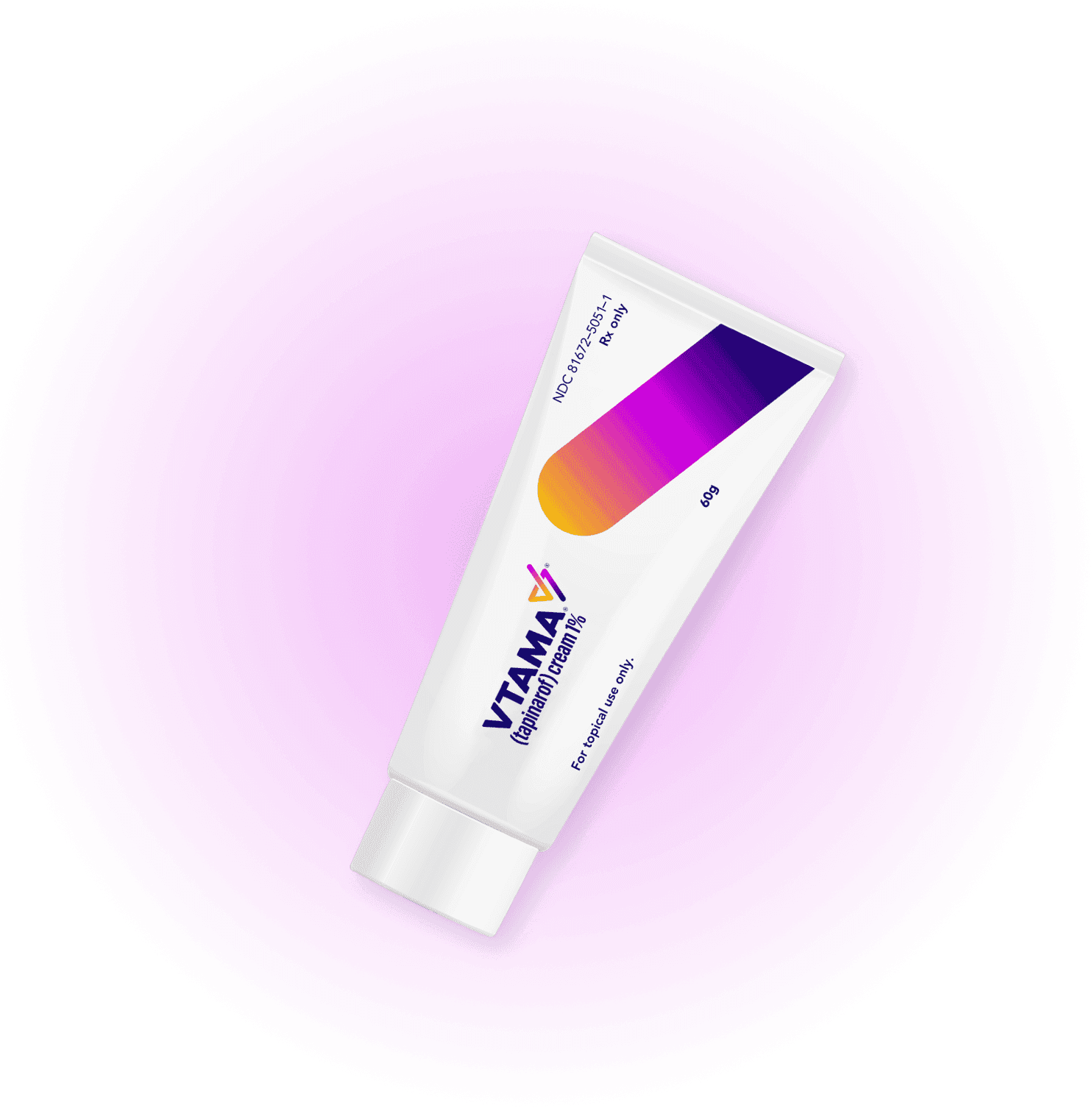
VTAMA (tapinarof) cream 1%
VTAMA (tapinarof) cream 1% is an aryl hydrocarbon receptor (AhR) agonist indicated for the topical treatment of plaque psoriasis in adults and atopic dermatitis in adults and pediatric patients 2 years and older. VTAMA cream is applied as a thin layer to affected areas once daily. The active ingredient, tapinarof, works by supporting natural pathways regulated by AhR receptors. This includes suppressing Th17 cell differentiation and production of key cytokines, such as IL-17 and IL-22, which play a central role in the inflammatory process of psoriasis; upregulating skin barrier proteins to help restore skin barrier function; and inducing the Nrf2 transcription factor pathway to increase antioxidant activity. VTAMA does not have any contraindications. For plaque psoriasis, the package insert specifically mentions the following adverse reactions (incidence ≥ 1%) in patients treated with VTAMA cream: folliculitis, nasopharyngitis, contact dermatitis, headache, pruritus, and influenza. For atopic dermatitis, it mentions upper respiratory tract infection, folliculitis, lower respiratory tract infection, headache, asthma, vomiting, ear infection, pain in extremities, and abdominal pain. As a nonsteroidal topical treatment, VTAMA offers an alternative to traditional corticosteroids for the management of plaque psoriasis and atopic dermatitis. Its unique mechanism of action and absence of contraindications make it a potential option for long-term use. VTAMA may be used as monotherapy or in combination with systemic therapies, offering clinicians an additional choice for addressing the chronic and inflammatory nature of plaque psoriasis and atopic dermatitis.
View details