Clinical Video Library
Organized by condition, topic, and series, these videos bring together expert perspectives, clinical reasoning, and practical takeaways you can apply in practice.
Dermbits

Dermbits
Watch the full series

How do you decide when a chronic disease is well controlled enough versus when additional improvement should still be pursued?
-

What misconceptions do patients commonly have about field therapy before they ever begin treatment?
-

What do dermatologists sometimes overlook about apremilast when evaluating today’s treatment options?
-

In an increasingly crowded psoriasis landscape, where does tildrakizumab fit for you clinically today?
-
Topical Conversations

Topical Conversations
Watch the full series

CSU in Practice: From Persistent Symptoms to Stepwise Care
David Seiter, FNP-C, and Daniel Butler, MD, follow CSU care from the first visit forward, beginning with the details that establish the diagnosis and the tests that often do not add much to it. From there, they work through second-generation H1-antihistamines, including why consistent rather than reactive dosing matters, how to approach updosing, and when it is time to stop waiting for a response that is unlikely to come. Along the way, they unpack what has changed in current guidance, including the move away from routinely adding H2-antihistamines or montelukast, before turning to the broader systemic treatment landscape. With omalizumab, dupilumab, and remibrutinib now offering different paths forward, the conversation becomes less about finding a single “next” therapy and more about matching an appropriate option to the patient in front of you through shared decision-making.

Shared Decision-Making in CSU: Choosing What Comes Next
Once persistent symptoms make it clear that CSU is not adequately controlled, the next question is how—and when—to move forward. Jill Cowan, FNP-BC, and Harrison Nguyen, MD, work through the treatment pathway as it unfolds in practice, from correcting common misconceptions about allergy testing and unnecessary workup to using second-generation H1-antihistamines thoughtfully and recognizing when it is time to escalate. Along the way, they compare advanced treatment options, including oral BTK inhibition with remibrutinib, and talk through the considerations that matter when the choice reaches an actual patient: route of administration, speed of response, adherence, safety, access, and follow-up.

Treating the Disease We Have Now and the Damage We Want to Prevent
Amit Garg, MD, and Jennifer Hsiao, MD, take a practical look at how to judge whether HS treatment is working, beyond lesion counts alone. They share the questions they ask in clinic about day-to-day symptoms, flare frequency and severity, pain, quality of life, and signs of progression, and why a therapy generally needs 3 to 4 months before its response can be fairly assessed. The conversation also covers why earlier control of inflammation matters in a progressive disease, before tunnels and scarring become harder to reverse, and why framing HS as inflammation rather than infection helps patients understand the move beyond repeated antibiotics. With more advanced therapies available and others in development, Garg and Hsiao discuss how prior treatments, efficacy and safety, mechanism of action, route of administration, comorbidities, and patient preference can guide the next decision, and how more options let clinicians move on from a partial response rather than staying with it too long.

Dermatology, Rheumatology, and the Space Between
Cutaneous lupus is seen as a dermatologic disease, but not always a dermatology-only disease. In this topical conversation, Saakshi Khattri, MD and Joseph Merola, MD, MMSc, discuss how dermatology clinicians can approach CLE with more confidence, from distinguishing skin-limited disease from presentations that warrant systemic evaluation, to knowing when rheumatology should enter the conversation. The discussion moves beyond recognition alone and into the decisions that shape long-term outcomes: what to ask at the first visit, which baseline labs may help risk-stratify patients, why urinalysis should not be overlooked, and when active skin disease should prompt earlier escalation. Throughout, the conversation returns to a central point for dermatology—CLE is not “just skin.” It is a potentially scarring disease in which delayed or undertreated inflammation can leave patients with pigmentary change, alopecia, and irreversible damage. As emerging targeted therapies begin to shift the conversation, this episode looks at how clinicians can define control more proactively and take a more active role in the care of patients with CLE.
Discourses in Dermatology

Discourses in Dermatology
Watch the full series

Understanding the Expert Consensus on AhR Agonists in Inflammatory Skin Disease
In this segment, Christopher Bunick, MD, reviews the recently published expert roundtable consensus on the role of aryl hydrocarbon receptor (AhR) agonists in inflammatory skin disease, distilling the publication's nine consensus statements into four overarching themes that define this emerging therapeutic class and its role in clinical practice, with a particular focus on tapinarof. Why this consensus was needed Dr Bunick begins by placing the consensus into the context of recent advances in topical therapy for psoriasis and atopic dermatitis (AD). As awareness of topical steroid stewardship has grown, so too has the need for effective nonsteroidal treatment options that offer novel mechanisms of action, durable efficacy, and favorable long-term safety profiles. According to Dr Bunick, the goal of the expert consensus was to clearly define the role of AhR agonists as a new therapeutic class, explain their unique mechanism of action, provide practical guidance for clinical use, and outline how these agents can support modern approaches to topical steroid stewardship. He summarizes the publication by organizing its nine consensus statements into four key clinical themes. AhR agonists represent a distinct therapeutic class The first major takeaway is that AhR agonists constitute a unique therapeutic class in dermatology, distinguished by a multimodal mechanism of action. Dr Bunick explains that AhR agonists such as tapinarof exert their effects through 3 complementary mechanisms: Immune modulation: AhR activation influences gene transcription across multiple inflammatory pathways, including TH1, TH2, TH17, and TH22 signaling Skin barrier normalization: In addition to modulating inflammation, AhR agonists promote barrier repair by increasing structural proteins such as filaggrin, loricrin, and involucrin while improving tight junction integrity Antioxidant activity: Activation of the NRF2 pathway provides antioxidant effects that complement both immune regulation and barrier normalization Together, these multimodal actions differentiate AhR agonists from both topical corticosteroids and currently available nonsteroidal therapies, supporting their classification as a distinct therapeutic approach. Safety and tolerability support flexible and long-term use Dr Bunick next reviews the consensus statements addressing safety and tolerability. He notes that clinical trial data have demonstrated a favorable safety profile, with mild-to-moderate folliculitis representing the most commonly reported adverse event. In most cases, these events were self-limited and required little or no intervention. Importantly, AhR agonists are not restricted by treatment duration, body surface area, or application site. Dr Bunick highlights the clinical significance of this flexibility, noting that chronic diseases such as psoriasis and AD require therapies that can be used on sensitive areas, including the face and intertriginous regions, as well as over larger body surface areas and for extended periods when clinically appropriate. Defining the role of AhR agonists in clinical practice A central focus of the consensus is clarifying where AhR agonists fit within current treatment algorithms. Dr Bunick explains that the panel supports their use as a first-line topical treatment option for both psoriasis and AD. Their long-term safety profile also makes them well suited for chronic disease management without the need to routinely cycle between therapies. He also discusses their role alongside systemic treatment. Many patients receiving biologic or systemic therapy continue to experience residual localized disease, and AhR agonists provide an effective nonsteroidal option for managing these persistent areas. The consensus also addresses pediatric care. Tapinarof is approved in patients aged 2 years and older with AD, and Dr Bunick emphasizes that its availability expands the range of advanced nonsteroidal options for younger patients with inflammatory skin disease. Finally, he highlights a practical consideration regarding phototherapy. Because preclinical and in vitro studies have demonstrated some UV instability of tapinarof, the consensus recommends applying the medication after phototherapy sessions to preserve product integrity. Supporting topical steroid stewardship The final theme centers on topical steroid stewardship, a concept that Dr Bunick describes as a recurring thread throughout the consensus publication. As clinicians increasingly seek to minimize long-term corticosteroid exposure when appropriate, advanced nonsteroidal therapies offer additional flexibility in managing chronic inflammatory skin diseases. Dr Bunick positions AhR agonists as an important component of this evolving treatment paradigm, providing clinicians with another effective option that can be incorporated into both initial and long-term management strategies. He concludes by encouraging clinicians to review the full consensus publication for more practical guidance for integrating AhR agonists into everyday care for patients with psoriasis and AD.

When Adherence Is the Challenge: Matching Treatment Administration to the Patient
In this installment of Discourses in Dermatology, Steven Feldman, MD, discusses adherence as a multifactorial component of psoriasis management and considers how treatment administration may factor into individualized biologic selection. Drawing on experiences from clinical practice, he illustrates how adherence challenges can extend beyond whether a patient simply remembers to take a medication. When the right treatment is not enough Early in his career, Dr Feldman recalls thinking that successful psoriasis management would largely come down to making the correct diagnosis and prescribing an effective treatment. Clinical experience quickly demonstrated that treatment selection was only part of the equation. This was particularly apparent among patients with limited disease who were prescribed topical therapies but did not improve as expected. Poor adherence to topical treatment is well recognized, and Dr Feldman emphasizes the importance of making treatment as manageable as possible for patients. In some difficult-to-treat cases, this may contribute to the decision to consider systemic therapy rather than relying on a topical regimen that a patient may struggle to maintain. Adherence remains relevant with biologic therapy Although adherence to systemic injectable therapies may be better than adherence to topical treatment, it is not necessarily perfect. When a patient with moderate to severe psoriasis does not achieve the anticipated response to a biologic, or initially responds and later loses efficacy, Dr Feldman argues that adherence should remain among the factors clinicians consider before concluding that the therapy itself has failed. With self-administered biologics, adherence can also encompass more than receiving the prescribed dose on schedule. Proper delivery, storage, handling, and administration all become part of the equation. A medication delivered to a patient's home, for example, must be stored according to its prescribing information. Dr Feldman notes that clinicians may assume these instructions are being followed correctly, but medications may be inadvertently exposed to inappropriate temperatures or undergo repeated changes in storage conditions. When instructions do not translate into practice Dr Feldman shares memorable examples that illustrate how differently patients may interpret seemingly straightforward instructions. In one case, a patient who had been taught injection technique using an orange subsequently injected the medication into an orange and ate it. In another, a patient instructed to inject into an area without psoriasis chose the scalp because it was the only unaffected area, repeatedly hitting bone and bending the needle. While unusual, these examples reinforce a broader point: prescribing a treatment and explaining how to use it do not guarantee that it will be administered as intended. Misunderstandings, treatment logistics, storage, and administration technique can all introduce variability between the regimen clinicians prescribe and the treatment patients actually receive. Reducing adherence-related variability For some patients, in-office administration offers an opportunity to remove several of these variables. Dr Feldman explains that he favors IL-23 inhibitors in his approach to psoriasis and considers the availability of an in-office treatment option particularly relevant when adherence or medication handling is a concern. Among IL-23 inhibitors, tildrakizumab is administered by a health care provider. This allows the clinical team to oversee storage, handling, and administration and provides greater certainty that scheduled doses are being given as intended. Dr Feldman considers this approach particularly useful when a patient's treatment history raises questions about adherence, including situations in which therapies appear to work initially and then repeatedly lose effectiveness. Rather than viewing an inadequate response solely as pharmacologic failure, he encourages clinicians to consider whether factors surrounding medication use or handling could be contributing to the outcome. Looking beyond efficacy when selecting treatment Adherence is influenced by behavioral, logistical, and treatment-related factors, all of which can ultimately affect outcomes. Dr Feldman's examples illustrate why evaluating treatment response may require looking beyond the efficacy of the medication itself to consider what happens between prescribing a therapy and the patient actually receiving it. For patients in whom self-administration or medication handling presents a concern, provider-administered therapy may offer one way to reduce that uncertainty. Incorporating these considerations into biologic selection can help clinicians match not only the medication, but also its mode of administration, to the individual patient.

Improvement Is Not Yet Control
A patient can look better and still be developing new disease. Dr Khattri considers what meaningful control in CLE looks like over time, from what happens between visits to the outcomes that matter beyond visible improvement. Her approach brings the conversation back to a deceptively simple question: is the treatment changing the patient’s experience of the disease, or only the examination in front of us?

Understanding the Aryl Hydrocarbon Receptor Pathway in Atopic Dermatitis
In this episode of Discourses in Dermatology, Ali Shahbaz, MD, reviews the biology of the aryl hydrocarbon receptor (AhR) pathway and its relevance in atopic dermatitis (AD), using tapinarof as an example of a first-in-class topical therapy that targets this mechanism. Rather than focusing solely on the pharmacology of a single agent, the discussion explores why AhR has emerged as an important therapeutic target and how a growing understanding of skin barrier dysfunction is reshaping the management of inflammatory skin disease. Atopic dermatitis: More than inflammation alone Historically, atopic dermatitis has been viewed primarily as an inflammatory disease. While inflammation remains a central feature, advances in our understanding of AD have highlighted a second, equally important component: skin barrier dysfunction. Dr Shahbaz explains that effective management of AD requires consideration of both of these interconnected processes. Alongside established therapies such as topical corticosteroids and calcineurin inhibitors, newer nonsteroidal agents have expanded treatment options by targeting additional aspects of disease pathophysiology, including restoration of skin barrier function. The biology of the aryl hydrocarbon receptor The aryl hydrocarbon receptor is a ligand-activated transcription factor that functions as a molecular sensor within cells. In its inactive state, AhR resides in the cytoplasm. When activated by a ligand, it dissociates from its associated protein complex, translocates into the nucleus, dimerizes with the aryl hydrocarbon receptor nuclear translocator (ARNT), and regulates the transcription of numerous target genes. One of the distinguishing features of AhR is the remarkable diversity of molecules capable of activating it. These ligands originate from a variety of sources, including environmental pollutants, ultraviolet light photoproducts, microbial metabolites, micropeptides, and tryptophan-derived compounds. Because the skin serves as the body's primary interface with the external environment, AhR is continuously exposed to signals from multiple sources. Connecting AhR biology to skin barrier function For dermatologists, one of the most clinically relevant aspects of AhR biology is its role in regulating proteins that maintain skin barrier integrity. Dr Shahbaz highlights filaggrin as a particularly important example that plays a critical role in maintaining the epidermal barrier. He also notes that AhR signaling influences additional structural proteins, including loricrin and involucrin, reinforcing the concept that skin barrier integrity depends on multiple coordinated components. Rather than viewing AD solely through an immunologic lens, clinicians can also appreciate its structural component, recognizing that barrier dysfunction contributes meaningfully to disease activity. Restoring barrier function as part of disease management The skin barrier serves as the body's first line of defense against environmental insults. According to Dr Shahbaz, restoring and maintaining barrier homeostasis represents an important therapeutic objective in inflammatory skin diseases such as AD. Focusing only on inflammatory pathways may overlook opportunities to improve disease control by addressing the structural abnormalities underlying barrier dysfunction. Supporting barrier restoration therefore complements anti-inflammatory treatment and reflects a more comprehensive approach to disease management. AhR within the broader inflammatory network AhR signaling does not function in isolation. Dr Shahbaz discusses its relationship to the broader network of inflammatory pathways involved in AD and psoriasis, including cytokines such as IL-4, IL-13, and IL-31. Appreciating how these pathways intersect provides additional context for understanding the rationale behind emerging targeted therapies. He notes that tapinarof represents the first topical AhR agonist approved for both atopic dermatitis and plaque psoriasis, introducing a novel therapeutic mechanism into dermatology. Helping patients understand their disease Beyond understanding the underlying biology, Dr Shahbaz emphasizes the importance of patient education. Explaining why AD develops and how skin barrier dysfunction contributes to disease can help patients better understand the rationale for treatment selection. As nonsteroidal topical therapies continue to expand, a clearer understanding of disease mechanisms allows clinicians to connect advances in pathophysiology with practical treatment decisions and more meaningful conversations with patients.

Business Unblemished
Watch the full series

Underused Revenue Streams and CPT Codes: Maximizing Reimbursement to Support Patient-Centered Care
In this episode of Business Unblemished, Erik Domingues, MD, sits down with Mark Kaufmann, MD, to unpack the coding strategies, buy-and-bill models, and overlooked CPT opportunities that can help dermatology practices stay afloat in the face of shrinking reimbursements and rising costs.They discuss how to:Use underutilized codes like G2211 to capture the full scope of careDetermine when buy-and-bill strategies are worth the riskAvoid common pitfalls that lead to lost revenueRecognize how accurate, complete coding can safeguard independent practiceAs Dr Kaufmann puts it: inflation is squeezing physicians, but smarter billing may be the key to better survival.

Employee Engagement as a Strategy for Success in Large or Small Practices (Part 1)
In this episode of Business Unblemished, Dr Stephen Lewellis, founder of Above & Beyond Dermatology, interviews Jamie Danley, Chief Human Resources Officer at Advanced Dermatology and Cosmetic Surgery, on how best to translate practice principles between small and large dermatology practices.Part one of this two-part episode, Dr Lewellis and Jamie discuss how to achieve employee engagement and establish culture across practice sizes, including the importance of defining culture and its role in creating a thriving practice.

Employee Engagement as a Strategy for Success in Large or Small Practices (Part 2)
In part two of this episode of Business Unblemished, Dr Stephen Lewellis and Jamie Danley continue their conversation about growing and evolving a small practice into a larger practice. They discuss ways of achieving buy-in from employees, empowering team members, and establishing culture based on a firm conviction in a practice's core values.

Efficiently Implementing Photodynamic Therapy (PDT) for Actinic Keratosis (AK) in Dermatology Practices
In this episode of Business Unblemished, Dr Dawn Merritt and Dr Aaron Farberg discuss how to efficiently implement photodynamic therapy (PDT) for actinic keratosis (AK) in dermatology practices. They address common misconceptions about PDT’s cost, logistical challenges, and practical strategies to maximize both its clinical and financial value.Why use PDT for actinic keratosis?PDT is an effective field therapy for actinic keratosis. While individual lesions can be treated with cryotherapy, many patients require broader treatment, making PDT an excellent in-office option.Dr Merritt, an early adopter of PDT, has integrated the treatment into all 10 of her practice locations, where it is performed daily. Dr Farberg strongly believes every dermatology practice should offer PDT, noting that dermatologists are likely to see multiple patients every day who could benefit from it. While topical therapies remain a viable and effective option, PDT offers greater control over treatment application and adherence, ensuring patients receive consistent and effective care.Optimizing workflow and staffingDr Merritt emphasizes that proper scheduling is key to ensuring PDT does not disrupt clinic flow. Instead of scheduling PDT as a physician-led appointment, she recommends setting it up as a nurse visit:Medical assistants (MAs) handle the setup and patient preparationThe physician only needs to be present for consent, curettage, and product application, allowing them to continue seeing other patients while the PDT session runs in the backgroundDr Farberg adds that while MAs can manage most of the process, physicians should personally apply and initiate PDT for optimal reimbursement and quality of care. A simple way to improve efficiency is to provide patients with a bell to call for assistance while MAs manage other tasks such as prior authorizations or patient paperwork.Space considerations for PDT implementationOne common concern among dermatologists considering PDT is space requirements. However, PDT does not require a dedicated room:Dr Merritt recommends using a nurse visit room or an overflow exam room to allow smooth patient flowDr Farberg has successfully implemented PDT in small rooms, demonstrating that space limitations should not deter practices from considering the serviceAddressing cost concerns and maximizing revenueFor newer or smaller practices, the upfront cost of PDT equipment may feel like a barrier. However, both doctors emphasize that PDT is a long-term revenue generator:Established practices can confidently invest, knowing they will recoup costs over timeNew practices with tighter budgets can explore equipment rental options, which allow them to offer PDT without large upfront costsDr Merritt routinely budgets for PDT when opening a new office because she knows its profitability and value to patients.Educating patients about PDTDr Merritt emphasizes that patient education is crucial for successful PDT integration. She advises new practices to:Create a simple handout explaining what patients can expectAlways schedule 2 PDT treatments upfront, with a third follow-up visit 8 weeks later for evaluation.Dr Farberg finds that offering multiple field therapy options allows patients to choose what works best for them, though many prefer PDT due to its ease of use and convenience.Training staff to promote PDTDr Merritt utilizes rolling screen advertisements in her offices to inform patients about PDT before their appointment. Additionally, she has trained her MAs with instructional videos that cover:PDT setup and applicationHow to explain the procedure to patientsWhen to involve the physician during treatmentThis structured approach ensures the entire team is aligned and helps patients feel more comfortable with the procedure.Identifying ideal candidates for PDTDr Merritt has a simple rule of thumb for determining when to recommend PDT:If she has to freeze more than what fits on one hand, the patient needs field therapy—and PDT is her first choiceDr Farberg also sees PDT as a built-in marketing tool; patients who receive it often remark that they have never had it offered at other dermatology offices. These patients share their positive experiences with friends, bringing in new patients and strengthening practice growth.PDT remains one of the most effective and well-established treatments for AK field therapy. While some dermatologists hesitate due to logistical concerns, both Dr Merritt and Dr Farberg emphasize that with proper implementation, PDT can enhance patient care while becoming a valuable revenue stream.Key takeawaysPDT offers precise, in-office field therapy for patients with AKWith efficient scheduling, PDT can be integrated seamlessly into any practice workflowSpace constraints should not deter practices from offering PDTThe cost of PDT equipment is quickly recouped, and rental options are availableA well-trained team and patient education help maximize PDT’s impact

PANP360 Videos
Watch the full series

Topline Tips for Shave and Punch Biopsy Techniques
Biopsy technique starts with a simple question: where is the pathology you are trying to capture? In this hands-on demonstration, Danielle Spatholt, PA-C, walks through shave and punch biopsy technique from setup through specimen handling and wound care, emphasizing how the suspected depth of disease should guide the procedure. She reviews practical details that matter in the room, including site photography, anesthesia, counter-tension, specimen transfer, hemostasis, avoiding crush artifact, and closure, while showing how shave biopsy is generally suited to more superficial lesions and punch biopsy to full-thickness or deeper processes. The demonstration also addresses situations that require more planning before the biopsy begins. When vasculitis or an inflammatory blistering disorder is in the differential, an additional specimen may be needed for direct immunofluorescence, with transport medium determined by laboratory protocol. For deeper inflammatory disease involving the subcutis, Spatholt discusses extending the biopsy to the necessary depth. Across both techniques, the focus remains the same: match the procedure, specimen depth, and tissue handling to the clinical question so the dermatopathologist receives tissue capable of answering it. .mcq-block { padding: 1rem 1.25rem; border: 1px solid #ddd; border-radius: 10px; margin: 1.5rem 0; background: #fafafa; } .mcq-question { margin: 0 0 0.75rem; } .mcq-form label { display: block; margin: 0.4rem 0; cursor: pointer; } .mcq-form input { margin-right: 0.5rem; } .mcq-feedback { display: none; margin-top: 0.9rem; padding-top: 0.75rem; border-top: 1px solid #e3e3e3; } .mcq-result { margin: 0 0 0.4rem; font-weight: 600; } .mcq-result.is-correct { color: #137a4a; } .mcq-result.is-incorrect { color: #b3261e; } .mcq-rationale { margin: 0; } Question: A patient has tense blisters and itchy, hive-like plaques on the trunk, and you’re thinking bullous pemphigoid. You plan two punch biopsies. How should you send them? Lesional in formalin; perilesional in formalin Lesional in formalin; perilesional in Michel’s medium (or whatever your lab uses) Lesional in Michel’s medium; perilesional in formalin Lesional in formalin; a second lesional in Michel’s medium Rationale:The lesional biopsy goes in formalin for routine pathology. The DIF sample should come from the skin next to the blister, not the blister itself, and it can’t go in formalin. Use Michel’s or saline, depending on your lab. Biopsying the blister for DIF can give you a false negative. .mcq-block { padding: 1rem 1.25rem; border: 1px solid #ddd; border-radius: 10px; margin: 1.5rem 0; background: #fafafa; } .mcq-question { margin: 0 0 0.75rem; } .mcq-form label { display: block; margin: 0.4rem 0; cursor: pointer; } .mcq-form input { margin-right: 0.5rem; } .mcq-feedback { display: none; margin-top: 0.9rem; padding-top: 0.75rem; border-top: 1px solid #e3e3e3; } .mcq-result { margin: 0 0 0.4rem; font-weight: 600; } .mcq-result.is-correct { color: #137a4a; } .mcq-result.is-incorrect { color: #b3261e; } .mcq-rationale { margin: 0; } Question: A patient has tender, deep red nodules on the lower legs, and panniculitis is on your list. Which biopsy is most likely to give you an answer? Deep shave of the most prominent nodule A 4-mm punch taken to the mid-dermis Lesional and perilesional punches for histology and DIF A biopsy goes down into the fat, such as a double punch at the same spot Rationale: Panniculitis lives in the fat, so if your biopsy doesn’t reach it, you’ll miss the diagnosis. A shave or a punch that stops in the dermis won’t get there. The video shows a double (“cake topper”) punch to get deeper, and many dermatopathologists prefer a deep wedge biopsy for these cases.

Pigmented Lesions
Choosing how to sample a pigmented lesion is far from a one-size-fits-all decision. In this presentation, John R. Griffin, MD, MA, FAAD, reviews how lesion size, anatomic site, and clinical concern should shape the biopsy plan, from removing smaller suspicious lesions in their entirety to using multiple punch samples for larger lesions and selecting a punch approach for acral pigmentation. He also walks through the added complexity of longitudinal melanonychia, where the width and location of the band help determine whether a matrix punch, matrix shave, or lateral longitudinal excision is most appropriate. The session closes with an important reminder that melanoma diagnosis depends on the full architectural, epidermal, dermal, and cytologic picture, sometimes supported by immunohistochemistry or molecular testing, because individual histologic features may also appear in benign nevi.

Biopsy Selection: Pearls and Pitfalls
Where, when, and how a biopsy is taken can determine how much the specimen is able to reveal. In this case-based presentation, John R. Griffin, MD, MA, FAAD, walks through the practical decisions that shape biopsy yield, including choosing the appropriate technique, targeting the most informative area of a lesion, and using the correct transport medium. He applies those principles across common but easily mishandled scenarios, from selecting fresh lesional skin in suspected small-vessel vasculitis and obtaining the right specimen for direct immunofluorescence in blistering disease to distinguishing biopsy approaches for scarring, nonscarring, and patchy alopecia. Along the way, he highlights the seemingly small choices that can introduce artifact, miss the active disease process, or leave the pathologist without the tissue needed to answer the clinical question. .mcq-block { padding: 1rem 1.25rem; border: 1px solid #ddd; border-radius: 10px; margin: 1.5rem 0; background: #fafafa; } .mcq-question { margin: 0 0 0.75rem; } .mcq-form label { display: block; margin: 0.4rem 0; cursor: pointer; } .mcq-form input { margin-right: 0.5rem; } .mcq-feedback { display: none; margin-top: 0.9rem; padding-top: 0.75rem; border-top: 1px solid #e3e3e3; } .mcq-result { margin: 0 0 0.4rem; font-weight: 600; } .mcq-result.is-correct { color: #137a4a; } .mcq-result.is-incorrect { color: #b3261e; } .mcq-rationale { margin: 0; } Question: A patient has suspected scarring alopecia with a smooth center and perifollicular erythema at the margin. Which biopsy approach is most likely to yield a diagnosis? Shave biopsy from the center 4-mm punch biopsy from the center 4-mm punch biopsy from the active margin Shave biopsy from normal scalp Rationale: The fully scarred center may show only end-stage change. Sampling the active margin, where follicles remain, is more likely to capture the underlying inflammatory process.

Close CPC Required
A useful biopsy begins well before the specimen reaches the microscope. In this practical overview, John R. Griffin, MD, MA, FAAD, explains how close clinicopathologic correlation can sharpen diagnostic accuracy, from providing a focused history and clinical photographs to selecting the right lesion, site, and biopsy technique. Using common inflammatory reaction patterns and challenging examples such as mycosis fungoides, vesiculobullous disease, vasculopathy, and panniculitis, he shows why histology often narrows the possibilities rather than delivering an answer in isolation. The central message is straightforward: better communication between clinician and dermatopathologist leads to a more meaningful biopsy report and a clearer path forward for the patient.
Practice Support

Practice Support
Watch the full series

Networking and Learning Tips & Tricks at PAMS Chicago
Register now! Patient Access Management Summit (PAMS) in ChicagoWhere: The Westin Michigan Avenue Chicago909 North Michigan AvenueChicago, IL 60611When: April 25, 2026Earn up to $500 in consulting fees!$200 for completing C-PAM Foundational curriculum$200 for attending the sessions in full$100 for completing a post-conference evaluation

Increasing Access to Specialty Therapeutics by Attending PAMS Chicago
Register now! Patient Access Management Summit (PAMS) in ChicagoWhere: The Westin Michigan Avenue Chicago909 North Michigan AvenueChicago, IL 60611When: April 25, 2026Earn up to $500 in consulting fees!$200 for completing C-PAM Foundational curriculum$200 for attending the sessions in full$100 for completing a post-conference evaluation

Improving Efficiencies and Professional Growth at PAMS Chicago
Register now! Patient Access Management Summit (PAMS) in ChicagoWhere: The Westin Michigan Avenue Chicago909 North Michigan AvenueChicago, IL 60611When: April 25, 2026Earn up to $500 in consulting fees!$200 for completing C-PAM Foundational curriculum$200 for attending the sessions in full$100 for completing a post-conference evaluation

From Therapy to Patient Access at PAMS Chicago
Register now! Patient Access Management Summit (PAMS) in ChicagoWhere: The Westin Michigan Avenue Chicago909 North Michigan AvenueChicago, IL 60611When: April 25, 2026Earn up to $500 in consulting fees!$200 for completing C-PAM Foundational curriculum$200 for attending the sessions in full$100 for completing a post-conference evaluation

Under Your Skin
Watch the full series

Teledermatology Insights, Reimbursement Challenges, and Finding Balance with Dr Susan Taylor
In this episode of Under Your Skin, host Dr Nicholas Brownstone sits down with Dr Susan Taylor to get her perspectives on the evolving field of dermatology. Dr Taylor shares her thoughts on the growing role of teledermatology, the pressing issue of reimbursement that challenges the sustainability of dermatology practices, and how she personally finds balance in her demanding career. The rise of teledermatology Dr Taylor emphasizes the growing significance of teledermatology, particularly since the onset of the COVID-19 pandemic. She highlights that teledermatology has become an essential tool for improving patient access to dermatologic care. For patients who find it challenging to take time off work, teledermatology offers a convenient alternative. They can easily consult with dermatologists during their lunch breaks or even from a private space in their workplace. Dr Taylor stresses that the key benefit of teledermatology is its ability to increase and improve access to dermatologic care, a factor that remains crucial in today's health care landscape. A critical issue facing dermatology Dr Taylor identifies reimbursement as the most critical issue currently confronting dermatology. She points out that while other health care sectors, such as hospitals and skilled nursing centers, have received inflationary updates in their reimbursements, dermatologists have not seen similar adjustments. The lack of updates in Medicare reimbursements has created a significant financial strain on dermatology practices. Dr Taylor warns that this could ultimately affect the quality of care patients receive. The financial pressure makes it increasingly difficult for private practitioners to keep their practices open, pay their staff, and maintain the necessary resources to provide patient care. She underscores that advocating for better reimbursement rates should be the top priority for the American Academy of Dermatology and dermatologists nationwide. Balancing work and relaxation Dr Taylor then shares her personal approach to unwinding after a long day. She enjoys walking to and from work, which helps her process the events of the day and decompress. Additionally, she finds relaxation in spending quality time with her husband, particularly by going out to dinner together. This routine allows her to maintain a healthy work-life balance and recharge for the challenges of the next day.

Interview with David Pariser, MD
In this episode of Under Your Skin, host Nicholas Brownstone, MD, gets to know David Pariser, MD, a practicing dermatologist for over 40 years and the senior physician at Pariser Dermatology Specialists. They discuss a valuable tip for improving practice efficiency, Innovations on the horizon for dermatology, and the diverse appeal of the specialty. A strategic addition to the workflow to improve efficiency Dr Pariser has significantly improved his efficiency by incorporating medical scribes into his workflow. These scribes accompany the practitioner into the treatment room for each patient visit. While the doctor engages with the patient, the scribe diligently documents the encounter using macros, ensuring that the note is often completed by the time the doctor leaves the room. This system allows the doctor to electronically sign off on the note, send prescriptions immediately, and complete billing processes before the patient exits the office. This approach has been transformative, enabling Dr Pariser to see more patients without compromising the quality of care. With an EHR system, it typically takes about 3 minutes to document a patient’s chart. For a dermatologist seeing 30 patients, that adds up to 1.5 hours of charting. By utilizing scribes, this time can be redirected towards seeing additional patients, easily offsetting the cost of hiring a scribe and enhancing overall practice efficiency. Outlook on the future of dermatology Dr Pariser is particularly enthusiastic about the advancements in personalized medicine. Precision diagnostic testing and testing to help identify the most effective medications for individual patients, represents the future of dermatologic care. This approach promises to tailor treatments to each patient's unique needs, enhancing outcomes and optimizing therapeutic strategies. The unique rewards of dermatology Dr Pariser's passion for dermatology stems from its diverse and dynamic nature. Dermatology is a "cradle-to-grave" specialty, encompassing surgery, pathology, cosmetics, pediatrics, and adult care. Dermatologists manage a wide spectrum of medical and surgical conditions, ensuring that every day is different and every patient encounter is unique.

Interview with Mark Kaufmann, MD, FAAD
In this episode of Under Your Skin, host Dr Nicholas Brownstone explores the future of dermatology with past President of the American Academy of Dermatology Dr Mark Kaufmann, MD, FAAD. Together, they speculate on the integration of telehealth and technology into dermatologic practice and the potential impact on patient care over the next decade. Telehealth: necessity or preference? During the COVID-19 pandemic, telehealth emerged as a necessary tool rather than an optional clinical offering. Dr Kaufmann reflects on this period, acknowledging that while many practitioners and patients may have initially viewed telehealth with skepticism due to technological limitations, its adoption was crucial for the continuity of patient care. Looking ahead, he sees telehealth evolving into a sophisticated triage mechanism, efficiently identifying patients who require urgent in-person consultations while providing virtual care for others. Integrating technology into dermatologic practice Dr Kaufmann acknowledges the increasing role of technology in dermatology. He notes that while some fear that technology and artificial intelligence have the potential to replace jobs, he believes that technology will serve as a valuable assistant, particularly in addressing cognitive challenges that many doctors face rather than replacing procedural aspects of care. He predicts that incorporating technology into clinical activities will become standard practice, enhancing rather than supplanting the role of dermatologists and other medical staff. The future of dermatology: a technological evolution Discussing the next decade, Dr Kaufmann highlights the dynamic nature of health care evolution, noting that while practitioners may not always dictate practice changes, the demand for quality dermatologic care remains constant. Driven by patient preferences and technological advancements, the delivery of care is poised for transformation. Dr. Kaufmann speculates on the influence of patient preferences, noting the inclination of younger generations towards virtual interactions. As technology continues to advance, the landscape of dermatology will evolve, offering exciting prospects for practitioners and patients alike.

Interview with James Q. Del Rosso, DO
In this episode of Under Your Skin, host Nicholas Brownstone, MD, chats with James Q. Del Rosso, DO, who shares anecdotes and insights from his dermatology career on rare diseases, the benefits of being a dermatologist, and the outlook on treatments for challenging conditions. Encounters with a rare disease Dr Del Rosso recounts an anecdote from his internship when he encountered a patient with a rare disease he had never seen before—cytophagic histiocytic panniculitis (CHP). Despite its rarity, Dr Del Rosso encountered CHP again the following year, where, as a first-year resident, he was able to surprise a leading dermatologist by correctly diagnosing this rare condition. The dermatologist’s advantage Dr Del Rosso highlights the autonomy and diversity the field offers. Dermatologists have the flexibility to cater to patients of all ages and can choose to specialize in various areas such as cosmetic, medical, or surgical dermatology. This autonomy extends to their practice setting and scheduling, allowing for a fulfilling and adaptable career. Advancing care for challenging conditions Discussing areas where better medications are needed, Dr Del Rosso reflects on past challenges with conditions like hidradenitis suppurativa, vitiligo, and alopecia areata, where treatment options were limited. However, he expresses optimism about recent advancements in medication development, particularly in JAK inhibitors and monoclonal antibodies. He emphasizes the significant strides being made, providing much-needed additions to the dermatologist’s toolbox when treating patients with these challenging conditions
Dermbusters
Watch the full series

Dermbusters: Gabriela Maloney, DO
In this episode of Dermbusters, host Nicholas Brownstone, MD, and guest Dr Gabriela Maloney, DO, tackle common dermatologic myths often heard from their patients. Dr Maloey provides practical advice for clinicians to effectively counsel patients on 2 key topics: the link between diet and acne and the belief that sunscreen applications leads to vitamin D deficiency. Myth 1: Fried foods and chocolate increase the risk of acne Dr Maloney addresses the long-standing belief that diet, particularly fried foods and chocolate, plays a significant role in acne development. Historically, a 1969 study concluded that there was no direct link between acne and diet, which shifted the focus away from dietary factors. However, recent studies have revisited this topic, with some suggesting that foods high in glycemic index and fat content might exacerbate acne. Specifically, interventional studies have indicated that reducing glycemic load can potentially decrease inflammation and acne severity. Tips for counseling patients: Focus on glycemic index: Advise patients to pay attention to their diet’s glycemic index, which may be more relevant to acne management than specific foods like chocolate or fried items. Encourage a healthy diet: Recommend a balanced diet while still allowing flexibility for individual preferences, such as gluten-free or keto diets. Follow treatment plans: Emphasize the importance of adhering to prescribed acne treatments, as dietary changes alone are unlikely to resolve acne completely. Myth 2: Wearing sunscreen leads to vitamin D deficiency A common concern is that sunscreen use can lead to vitamin D deficiency. Dr Maloney explains that this fear should not prevent patients from using sunscreen and highlights that diet plays a crucial role in maintaining adequate vitamin D levels. Tips for counseling patients: Emphasize the role of diet: Explain that vitamin D can be adequately obtained through a balanced diet, eliminating the need to forego sunscreen. Highlight the risks of sun exposure: Stress that the risk of skin cancer from sun exposure outweighs the risk of vitamin D deficiency from using sunscreen. Tune in to the episode to hear Dr Maloney and Dr Brownstone provide valuable insights for dermatologists to guide patients more effectively and counter common misconceptions.

Dermbusters: Brandon Adler, MD
In this episode of Dermbusters, host Nicholas Brownstone, MD, sits down with Brandon Adler, MD, to address some common misperceptions they often hear from their patients. Dr Adler shares how he tackles 2 pressing concerns that dermatologists frequently encounter from their patients: the efficacy and safety of natural products, and the concerns surrounding ingredients in sunscreens. Myth 1: Natural products are always better There is a growing trend among patients towards seeking out natural products, both homemade and store-bought, with the belief that they are inherently better and safer than traditional products. Drawing from his experience running a contact dermatitis clinic, Dr Adler shares that he often sees patients who develop allergic reactions to natural ingredients, such as essential oils. Tips for counseling your patients: Explain that studies demonstrate the rates of contact allergy and irritation are at least comparable between natural and traditional products Mention that while natural products can be effective, each patient is unique and may develop sensitivities or allergies to certain ingredients Dispel the belief that natural always equals good; to illustrate the point effectively, share an analogy relating natural products to poison oak, which, while natural, is not something you want on your skin Myth 2: Harmful ingredients in sunscreens outweigh its benefit Many patients voice concerns about harmful ingredients in sunscreens, with some avoiding sunscreen use altogether to mitigate risks. Dr Adler shares a few tips on how he talks to patients on this issue. Tips for counseling your patients: Explain that while chemical or organic blockers found in many sunscreens have been shown in studies to be systemically absorbed into the body, there is no evidence of any associated adverse effects to date, and these agents have been used safely for decades For patients still concerned about systemic absorption, recommend zinc- and titanium-based physical or mineral sunscreens, which have not shown to be absorbed and therefore don’t carry the same potential implications as chemical blockers For patients with environmental concerns, physical sunscreens can also be recommended Emphasize that the risk of skin cancer is significantly greater than the potential risk of harmful ingredients in sunscreens Tune in to the episode to hear Dr Adler’s approach to individualized patient care and hear his practical solutions for addressing common patient concerns.
Dermbusters: Emmy Graber, MD, MBA
In this episode of Dermbusters, host Nicholas Brownstone, MD, chats with acne and rosacea expert Emmy Graber, MD, MBA, about some common misperceptions they often hear from their patients. Dr Graber shares some tips on counseling patients on 2 topics: how diet impacts acne and advising patients on isotretinoin to wait 6 to 12 months before getting cosmetic procedures. Myth 1: Fried and fatty foods cause acne. Dr Graber addresses the widespread belief among patients that fried and fatty foods can induce acne. She acknowledges the challenges of studying diet’s impact on acne but shares a few tips on counseling patients based on published data. Tips for counseling your patients: Explain to patients that while some studies suggest a correlation between high-glycemic foods and acne for some individuals, the association is not universal Emphasize the role of dairy products, particularly skim milk products, in exacerbating acne for some patients For patients who can identify specific dietary triggers, give them the option of avoiding that food Emphasize the uniqueness of individual responses to dietary triggers rather than making blanket statements Myth 2: Patients must wait at least 6 months following the use of isotretinoin before having any cosmetic or surgical procedures. Dr Brownstone and Dr Graber then discuss advising patients on isotretinoin on the often-recommended waiting period before undergoing any cosmetic or surgical procedures. Dr Graber challenges the traditional notion of waiting 6 to 12 months, relating a few discussion points to share with patients. Tips for counseling your patients: Cite a systematic review of over 32 studies and 1400 procedures1 that found no evidence supporting the need for a prolonged delay for cosmetic procedures following isotretinoin use Advise patients that procedures like visible light lasers, hair removal, superficial chemical peels, and fractional and ablative lasers are safe while on isotretinoin Counsel patients to follow the waiting period and delay more intense procedures like nonfractional lasers, deep dermabrasions, and deep chemical peels until there is more data available to support the safety of such procedures while on isotretinoin Mention potential benefits of pulsed dye laser treatments for acne for patients concurrently on isotretinoin, noting not only safety but potentially improved outcomes Tune in to the episode to hear the full details on Dr Graber’s informed approach to counseling patients that embraces evidence-based practices to optimize care. Reference Spring LK, Krakowski AC, Alam M, et al. Isotretinoin and timing of procedural interventions: a systematic review with consensus recommendations. JAMA Dermatol. 2017;153(8):802-809. doi:10.1001/jamadermatol.2017.2077

Dermbusters: Katherine Glaser, MD
In this episode of Dermbusters, host Nicholas Brownstone, MD, sits down with Katherine Glaser, MD, a dermatologic surgeon specializing in Mohs surgery, about some common misperceptions heard from both colleagues and patients. Dr Glaser shares some insights on 2 frequently misunderstood topics: the use of lidocaine with epinephrine in the fingers and toes and the role of sunscreen in vitamin D absorption. Myth 1: Dermatologists should not use lidocaine with epinephrine in the fingers and toes. Contrary to a commonly held belief among dermatologists, Dr. Glaser emphasizes that there is robust data supporting the safe use of lidocaine with epinephrine in the fingers and toes. Despite concerns about vascular ischemia and resulting necrosis, studies from both dermatology and plastic surgery literature demonstrate the safety of lidocaine with epinephrine. Tips for advising colleagues: Share the existing data and research findings that support the safe use of lidocaine with epinephrine in the fingers and toes Highlight the lack of reported cases of ischemia with traditional lidocaine with epinephrine and contrast it with cases involving other substances, high concentrations of epinephrine, and improper tourniquet use Emphasize the importance of adhering to safe injection practices, proper dosage, and avoiding direct arterial injection to mitigate any potential risks Myth 2: Sunscreen should not be used because it prevents absorption of vitamin D. Next, Dr Glaser addresses a common myth that dermatologists often hear from their patients: that they shouldn’t use sunscreen because it prevents them from absorbing an adequate amount of vitamin D. While sunscreen does block the UVB rays that aid in vitamin D synthesis, the AAD advises against UV exposure solely for the purpose of absorbing vitamin D. Tips for counseling your patients: Explain that while sunscreen may affect vitamin D absorption, it's not a reason to skip it Highlight alternative sources of vitamin D, such as diet and supplements Encourage wearing sunscreen consistently and correctly Stress the importance of protecting the skin from harmful UV rays to prevent skin damage and reduce the risk of skin cancer
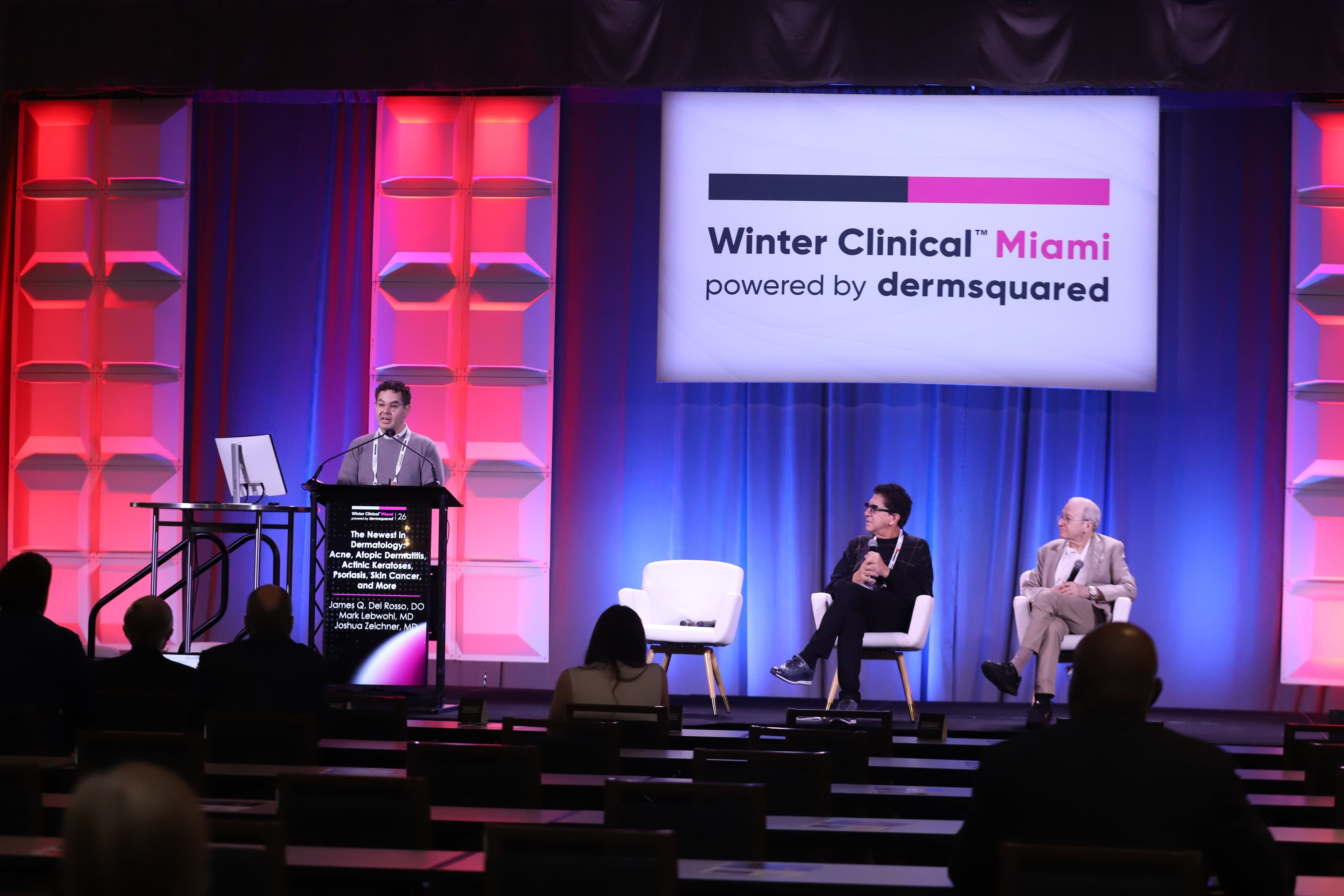
WCM 2026 Conference Video Highlights
Watch the full series

WCM26 Day 1 Video Recap
Mona Shahriari, MD and Susan C. Taylor, MD presented a visual and clinically focused guide to diagnosing prurigo nodularis in skin of color, highlighting its neuroimmune pathophysiology, disproportionate disease burden, distinct clinical features in melanin-rich skin, and the rapid, durable efficacy of newly approved targeted biologics.Raj Chovatiya, MD, PhD and Mona Shahriari, MD presented an interactive, case-based session focused on optimizing atopic dermatitis treatment through mechanism-driven biologic selection, individualized dosing strategies, and practical management of real-world clinical challenges.

WCM26 Day 2 Video Recap
Steven Daveluy, MD, James Q. Del Rosso, DO and Andrea T. Murina, MD provided a clinically focused update on hidradenitis suppurativa, emphasizing early intervention, integration of biologic and procedural therapies, and emerging targeted treatments.Shawn Kwatra, MD and Dawn Merritt, DO provided a clinically focused update on chronic spontaneous urticaria, reviewing autoimmune mechanisms, stepwise treatment strategies, and emerging biologic and BTK-targeted therapies.

WCM26 Day 3 Video Recap
Final day highlights from Miami! Our Day 3 recap video captures the closing masterclasses, final clinical pearls, and the community connections that defined our last day in Miami.

WCH 2026 Conference Highlights
Watch the full series

New and Noteworthy in Psoriasis
April W. Armstrong, MD, MPH, reviewed major recent developments shaping modern psoriasis management, beginning with the first consensus definition of on-treatment remission established through a Delphi process led by the National Psoriasis Foundation. This consensus defines remission as maintaining BSA 0% or IGA 0 for at least six months, providing a standardized, clinically meaningful target for long-term disease control and a consistent benchmark for evaluating durability across therapies and clinical trials.Dr Armstrong also highlighted emerging oral therapies that are redefining expectations for systemic treatment. Icotrokinra, a novel targeted oral peptide that selectively inhibits IL-23 signaling, demonstrated superior efficacy compared with deucravacitinib in the ICONIC-ADVANCE trials, achieving higher rates of IGA 0/1 and PASI 90 at Weeks 16 and 24. Additional ICONIC data showed robust PASI 90 responses in adults and durable maintenance of PASI 75 and PASI 90 through 52 weeks in adolescents, supporting both potency and durability across age groups. Long-term extension data for the TYK2 inhibitor deucravacitinib demonstrated stable efficacy and a favorable safety profile through five years, including benefit in patients with psoriatic arthritis. Dr Armstrong also reviewed emerging data for highly selective TYK2 inhibitors such as envudeucitinib, which achieved stringent treat-to-target thresholds in a majority of patients at one year. Together, these advances reflect a shift toward precise, durable, and patient-friendly oral therapies that align with newly established remission goals in psoriasis.

Advances and Applications in Chronic Spontaneous Urticaria Care
Chronic spontaneous urticaria (CSU) affects up to 80% of patients with chronic urticaria and is defined by recurrent hives and/or angioedema lasting longer than six weeks without an identifiable trigger. Naiem Issa, MD, and Dawn Merritt, DO, reviewed key clinical features, including pruritic wheals and angioedema that often burn and may persist for up to 72 hours. They emphasized use of the 7-Day Urticaria Activity Score (UAS7) as the gold standard for assessing disease severity and treatment response. The presenters also highlighted the autoimmune underpinnings of CSU, driven by both IgE-dependent and IgE-independent mechanisms that activate mast cells and basophils.Management was framed as a clear treatment ladder, starting with second-generation H1 antihistamines and rapid up-dosing when control is inadequate. If symptoms persist after 2–4 weeks, escalation to advanced therapies such as omalizumab, dupilumab, or remibrutinib is recommended, with cyclosporine reserved for refractory disease. Emerging data for dupilumab demonstrated meaningful reductions in itch and hives regardless of baseline IgE, while remibrutinib showed rapid onset of action, with more than half of patients achieving well-controlled disease within three weeks. The session closed with practical pearls: escalate early, continue antihistamines when adding biologics, maintain therapy for 6–12 months after complete clearance, and reassure patients that CSU is not allergy-driven despite common triggers like stress or heat.

Navigating Treatment Challenges in Pediatric Dermatology
Lawrence F. Eichenfield, MD, provided an engaging overview of how pediatric dermatology is rapidly evolving, with a focus on improving long-term outcomes through earlier diagnosis and more targeted therapies. In pediatric psoriasis, he emphasized the growing demand for effective oral options beyond traditional immunosuppressants. Promising phase 2 data were presented for icotrokinra, a novel oral IL-23 receptor–blocking peptide that achieved clear or almost clear skin in nearly 90% of adolescents by 24 weeks, with a favorable safety and tolerability profile. These results signal a potential shift toward convenient, noninjectable systemic options for children.Juvenile lichen sclerosus was highlighted as a frequently underrecognized condition with important lifelong implications. Dr Eichenfield underscored that lichen sclerosus rarely resolves at puberty, with most patients continuing to have active disease and structural changes into adolescence and adulthood. He stressed the importance of early recognition and sustained treatment with super–high-potency topical corticosteroids, even in asymptomatic patients, noting that consistent therapy significantly reduces long-term anatomic damage.The session concluded with advances in precision medicine and evolving disease definitions. In atopic dermatitis, the Identity Study was introduced as a novel approach using noninvasive gene expression profiling to predict which children are most likely to respond to JAK inhibitors versus Th2-targeted therapies, allowing for faster clearance and improved itch control. Dr Eichenfield also discussed the shift from Mycoplasma-induced rash and mucositis to reactive infectious mucocutaneous eruption, reflecting the broader range of infectious triggers now recognized. Management focuses on treating the underlying infection and controlling severe mucositis with systemic anti-inflammatory or immunomodulatory therapies, reinforcing the need for timely diagnosis and aggressive intervention in complex pediatric cases.

Modern Approaches to Treating Melasma
Susan C. Taylor, MD, presented a comprehensive update on contemporary melasma management, emphasizing evolving concepts in pathogenesis and evidence-based treatment strategies. Dr Taylor reviewed the growing understanding that melasma is a multifactorial disorder driven by ultraviolet and visible light exposure, epidermal melanocyte activation, and clinically relevant vascular component characterized by increased vessel number, density, and angiogenesis. These mechanisms help explain disease chronicity, relapse, and treatment A central focus of the presentation was the international Delphi consensus on melasma management, developed by 38 experts from 11 countries to standardize diagnosis, monitoring, and treatment. The consensus identified Wood’s lamp examination as a favored method for assessing extent and severity, with dermoscopy accepted for differential diagnosis. Photoprotection was emphasized as foundational therapy, with the “ideal” sunscreen providing protection against UVA, UVB, and visible light, and optional inclusion of antioxidants or depigmenting agents to enhance efficacy. For treatment, triple-combination therapy with hydroquinone, tretinoin, and fluocinolone acetonide was reaffirmed as the gold-standard first-line option for moderate-to-severe melasma, while azelaic acid, antioxidants, and non-hydroquinone agents were highlighted as alternatives or maintenance options. Oral tranexamic acid, chemical peels, microneedling, and energy-based devices were reserved for refractory disease within a stepwise algorithm. Dr Taylor also reviewed comparative clinical trial data for newer non-hydroquinone therapies. A randomized non-inferiority trial demonstrated that a 2-Mercaptonicotinoyl Glycine–containing serum achieved similar improvements in mMASI compared with hydroquinone 4%, with fewer local reactions. Additional studies showed that thiamidol and topical metformin produced MASI reductions comparable to hydroquinone-based regimens, supporting their role as effective alternatives in select patients. Collectively, the data reinforce a modern treatment framework that combines standardized photoprotection, targeted topical therapy, and vascular-directed interventions to address both pigment production and relapse risk in melasma.

FC 2025 Conference Highlights
Watch the full series

FC26 Promo
-

Fall Clinical 2025 Highlights
Take a peek at the atmosphere and buzz in the conference rooms, exhibit hall, and receptions from Fall Clinical 2025 in Las Vegas!

What’s Itching You Today? Contact Derm? Atopic Derm? What Else?
Shawn G. Kwatra, MD, presented a compelling session on the evaluation and management of chronic itch, underscoring its profound impact on patient quality of life. Chronic pruritus, he noted, impairs quality of life to a degree comparable to that of stroke and more than conditions such as heart failure with an implantable defibrillator or patients on hemodialysis. Despite being one of the most common symptoms in dermatology, pruritus often remains diagnostically elusive and therapeutically challenging. Through a series of illustrative cases, Dr Kwatra emphasized that chronic itch can be the first sign of systemic disease and requires careful evaluation beyond the skin. Dr Kwatra discussed emerging insights into the genetic and immunologic underpinnings of chronic itch, including a potential polygenic risk association in prurigo nodularis. He reviewed targeted treatments such as dupilumab, which has shown efficacy for chronic itch of various etiologies, and low-dose naltrexone, which modulates μ-opioid signaling and inflammatory mediators to relieve refractory scalp pruritus and symptoms in conditions such as epidermolysis bullosa. Additionally, he provided a practical framework for laboratory and clinical evaluation, including eosinophil counts and screening for systemic causes when the origin of itch is unclear. Concluding with complex cases of widespread pruritic dermatoses, Dr Kwatra illustrated how integrating immune profiling and genomic analysis can identify dominant cytokine pathways (IL-13, IL-17) and guide rational biologic therapy selection.

CME Satellite Symposium: Illuminate the Role of IL-13 Inhibitors for the Management of Atopic Dermatitis
Alexandra Golant, MD, Mona Shahriari, MD, and G. Michael Lewitt, MD, presented a session focused on the evolving role of interleukin-13 (IL-13) inhibition in atopic dermatitis, sharing new insights, case experiences, and strategies for optimizing treatment in clinical practice.Dr Golant opened by underscoring the central role of IL-13 in atopic dermatitis pathophysiology. Elevated across age groups and skin tones in patients with atopic dermatitis, IL-13 drives barrier disruption, decreases filaggrin expression, and fuels pruritus and lichenification. She reviewed case examples, including an adolescent with long-standing disease who achieved rapid and sustained improvement on lebrikizumab. Dr Golant emphasized how patient-defined goals such as comfort at school, confidence in social settings, and reduced topical burden align with the responses seen in trials. Early and aggressive targeting of IL-13 was presented as a way to meet both clinical and quality-of-life outcomes.Dr Shahriari expanded on the comparative efficacy of IL-13 biologics, highlighting pivotal data from SOLO, ADvocate, ECZTRA, and long-term extension studies. Both lebrikizumab and tralokinumab demonstrated durable control, with maintenance of EASI90 and pruritus relief extending beyond 2 years. She also addressed switching strategies, noting that patients discontinuing dupilumab for adverse events often achieved better outcomes on lebrikizumab compared with those stopping for inadequate response. Dr Shahriari presented cases of patients with dupilumab-associated ocular surface disease whose symptoms resolved when transitioned to tralokinumab or Janus kinase inhibitors, underscoring the importance of individualized sequencing.Dr Lewitt concluded with a practical perspective on integrating IL-13 inhibitors into daily practice. He illustrated this with a young adult patient who prioritized clearance of hand and facial dermatitis with minimal treatment burden. After 16 weeks of lebrikizumab, both skin clearance and pruritus improved markedly, restoring confidence and function. Dr Lewitt highlighted safety profiles across the IL-13 inhibitor class, emphasizing that adverse events are generally manageable and that selective inhibition may be particularly appealing when patients prefer targeted therapy without systemic immunosuppression. Looking forward, the faculty noted that biologics with extended half-lives, bispecific antibodies, and oral agents may further expand long-term disease control options.